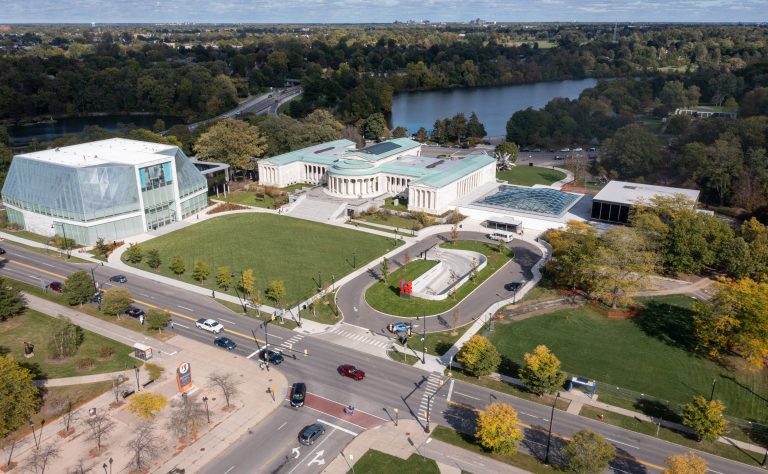
For more than six decades the Benedictine Sisters of Mother of God Monastery have served South Dakota as educators, health‑care providers and spiritual leaders. Now, as the remaining sisters enter their 70s and 80s, they are turning their 500‑acre prairie campus on the east side of Watertown into a multi‑generational community called The Village at Harmony Hill.
Project scope and partners
The sisters are the lead designers, funders and coordinators of the effort, working with the City of Watertown, South Dakota Housing, the Good Samaritan Society, Costello Property Management, Catalyst Construction and Seppanen Contracting. Using donated materials, a variety of financing mechanisms and a tax‑increment financing (TIF) district, the development will blend housing, education, health‑care and commercial space.
What’s being built
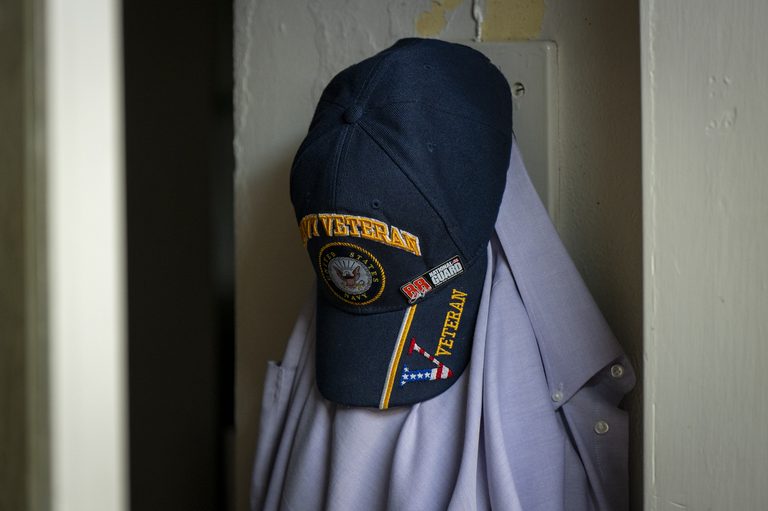
Since the project began in 2021, the monastery’s existing 14,000 square feet have been renovated into a child‑care center, and new affordable apartments have been constructed. Ongoing work includes converting space for veteran housing, building 62 independent senior‑living villas, and breaking ground on up to 40 of the 200 planned affordable single‑family homes, with additional duplexes slated for later phases.
Economic impact
Construction is estimated at $83 million and is expected to generate about 2,000 temporary jobs. Once completed, the village should support nearly 1,500 permanent positions, produce roughly $50 million in personal incomes and $40 million in annual consumer spending, and generate more than $210 million a year in business output along with $5.4 million in property‑tax revenue for Codington County.
Addressing community needs
Watertown City Manager Alan Stager says the project tackles three major challenges facing South Dakota communities: a shortage of child‑care, a lack of affordable housing and a need for a stable workforce. By adding new day‑care slots and the first affordable housing units in decades, the village will help attract workers to fill open jobs.
“They could have sold the land and moved on, but instead they looked decades ahead and asked what’s possible,” Stager noted. “The result is an intergenerational community that serves infants, families, seniors and veterans alike.”
Intergenerational care model
The design places the child‑care center adjacent to senior‑living and memory‑care units, fostering daily interactions. Memory‑care manager Kelsey Belle Kohler observes that children’s visits brighten residents, while seniors return the favor by sharing stories and activities with the youngsters.
“Kids and babies provide life enrichment that no amount of degrees can replace,” Kohler said.
Sisters’ legacy
At 86, the sisters decided to become developers rather than sell the land and relocate. Michael Klatt, strategic adviser to the project, summed up their motivation: “For the sisters, this has been about leaving a legacy – how can I give back to the community?”
Sister Ida Hericks, 91, a former missionary and master gardener, expressed pride in the transformation, noting that the village will remain a lasting testament to the sisters’ service and faith.
Original reporting: Alexandria, VA News – WTOP News — read the source article.