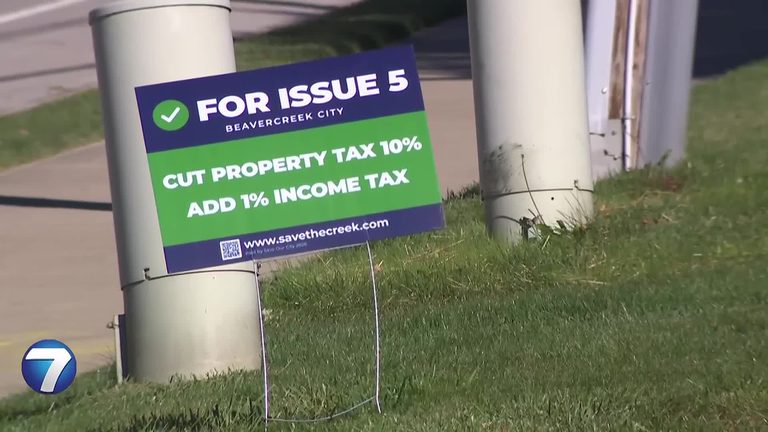
Beavercreek, Ohio – A city‑wide ballot measure will soon ask voters whether to adopt a 1% municipal income tax. If approved, the new tax would replace the nine property tax levies that currently fund parks, streets, police and other municipal services, totaling more than 10.85 mills.
Potential revenue and who would pay
A study by Miami University estimates the 1% income tax could bring in about $19.6 million annually. The city reports that roughly 68% of that revenue would come from people who work in Beavercreek but live outside its limits, expanding the tax base beyond current property owners.
Supporters argue for diversification
Debbie Alberico, a member of the Save Our City political action committee, says the measure would diversify funding sources and reduce the reliance on a single revenue stream. “It’s just not fiscally healthy to have one funding source for a city,” Alberico said. She added that any property‑tax reduction resulting from the income tax would be “pure savings” for homeowners.
Opposition cites accountability concerns
Auston Hensley, representing the Tax Busters PAC, opposes the proposal. He argues that property tax levies keep city officials accountable because they must be renewed by voters on a regular basis. “Historically, Beavercreek has been funded by property tax levies. They are renewable periodically. They are accountable to the voters. The income tax would have no such restriction on it,” Hensley said, noting that the city has faced repeated ballot battles over the past 42 years.
History of repeated attempts
Beavercreek has tried to institute a municipal income tax multiple times over the last four decades, but each proposal has been rejected by voters. Critics point to the repeated litigation and campaign costs as evidence that the issue has become a political fatigue point for many residents.
What happens if the measure passes
Should voters approve the levy, the 1% income tax would take effect on July 1 of the following year, providing a new, steady stream of revenue for city services while eliminating the existing property tax levies.
Key dates and next steps
The ballot measure will appear on the upcoming municipal election ballot. Voters are encouraged to review the study findings, consider the arguments from both Save Our City and Tax Busters, and decide whether a broader tax base or continued property‑tax accountability best serves Beavercreek’s future.
Original reporting: WHIO-TV Dayton (local) — read the source article.