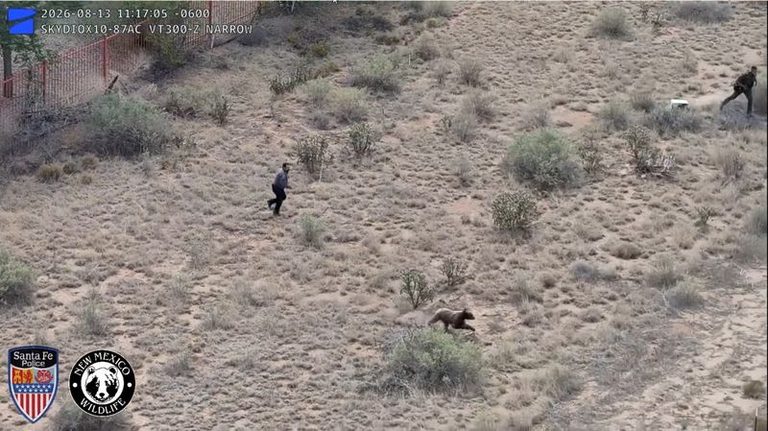
Residents of western towns are seeing an unsettling new neighbor: bears. A prolonged drought has dried up natural food sources, forcing bears to wander onto sidewalks, into yards and even inside homes and shops in search of sustenance. The trend is not limited to one state; wildlife officials warn that the pattern could spread as the drought persists.
Why bears are coming closer to people
According to the BearWise program—originally launched in the southeastern United States in 2018 and now a national effort coordinated by the Association of Fish & Wildlife Agencies—bears are driven by hunger. With streams and berry patches depleted, the animals are compelled to seek out human‑generated food.
How to recognize a bear’s behavior
BearWise biologists note two distinct patterns. A defensive bear will huff, moan, or clack its jaws, signaling that it feels threatened. In this case, experts advise standing your ground, keeping a calm posture, and, if the bear makes contact, playing dead while protecting the head.
An aggressive or predatory bear, by contrast, is unusually quiet and moves deliberately toward a person. When faced with this type of bear, the recommendation is to shout, throw rocks, and use bear spray. If the animal makes physical contact, the only option is to fight back.
Species doesn’t matter—behavior does
“Whether it’s a black bear or a grizzly, the key is to respond to the bear’s behavior, not its species,” says Nate Bowersock, a black‑bear biologist with the Missouri Department of Conservation and chair of the BearWise working group. While grizzlies (brown bears) can be identified by a shoulder hump, both black and grizzly bears vary in color from black to light brown, making quick identification difficult in a tense moment.
Practical steps for families and businesses
1. Do not approach a bear. Keep a safe distance and avoid gathering to watch.
2. If a bear enters a home or business, leave immediately and call wildlife officials. Bowersock advises, “Back away quietly.”
3. Secure food sources. Do not leave pet food outdoors, keep trash bins inside or under a secure lid until collection day, and clean grills after use.
4. Avoid feeding bears. Even well‑intentioned feeding encourages bears to associate human areas with food, increasing future encounters—especially during drought conditions.
What communities can do
Local governments can assist by providing bear‑proof trash containers, posting signage about proper food storage, and coordinating with state wildlife agencies for rapid response teams. Educational outreach, especially in schools and churches, reinforces the message that protecting wildlife and protecting families go hand in hand.
As climate challenges intensify, the partnership between citizens, faith‑based groups, and wildlife professionals becomes ever more vital. By following proven safety measures, families can safeguard themselves while allowing bears the chance to survive without becoming a permanent fixture in our neighborhoods.
Original reporting: Appleton, WI News Feed (HLL/CB) — read the source article.