Residents of Bastrop County received a detailed look at a proposed transportation improvement that could reshape daily commutes from Manor. During open‑house sessions on Sept. 29 and Oct. 1, the Central Texas Regional Mobility Authority (CTRMA) and the Texas Department of Transportation (TxDOT) presented preliminary design plans for a toll extension on US‑290.
What the proposal includes
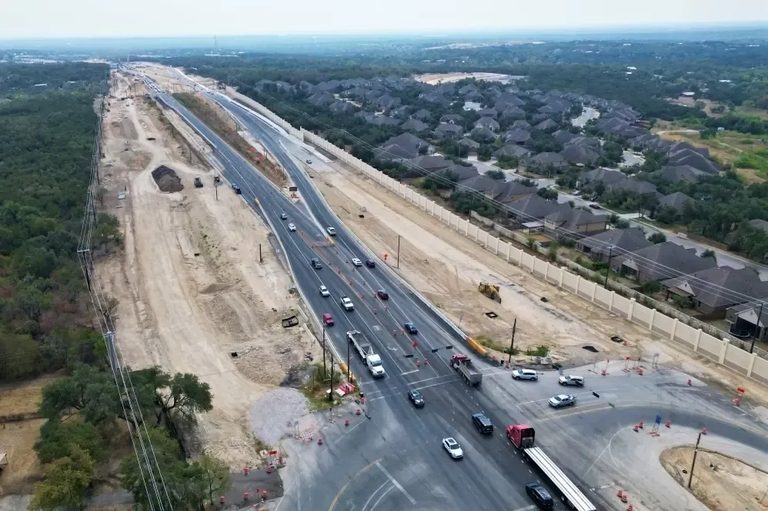
The plan calls for adding tolled main lanes alongside the existing non‑tolled lanes along the US‑290 corridor, stretching from State Highway 130 to State Highway 95 South. In addition to the new lanes, the agencies intend to improve key intersections and upgrade bicycle and pedestrian amenities, creating a more multimodal corridor for motorists, cyclists, and walkers alike.
Public input and timeline
Public comment on the designs closed on Oct. 30, giving community members a chance to voice concerns or support. The agencies emphasized that feedback will help refine the final engineering package before any construction contracts are awarded. While no construction start date has been set, the agencies indicated that the project could move forward in the next few years if funding and approvals align.
Why the extension matters for local families
For families traveling to work, school, or church in the greater Austin area, the current US‑290 corridor often experiences heavy traffic during peak hours. By providing a tolled option that bypasses the most congested sections, the extension promises shorter travel times and a more reliable route for commuters. The inclusion of enhanced pedestrian and bicycle paths also supports active‑transport choices for residents who prefer walking or cycling, aligning with community values of health, safety, and stewardship of local roadways.
Funding and oversight
The project will be financed through a combination of toll revenue, state transportation funds, and potential federal grants. Both CTRMA and TxDOT highlighted that the toll structure will be set at a level intended to cover operational costs while remaining affordable for regular users. Oversight will remain with the two agencies, which have a track record of delivering regional mobility projects that balance efficiency with fiscal responsibility.
Next steps for Bastrop County officials
County commissioners will review the final design package once it is completed, weighing the projected benefits against any concerns raised during the public comment period. If approved, the project will move into the environmental review phase, a standard step for large‑scale infrastructure work in Texas.
Community response
Local business owners and commuters expressed a mix of optimism and caution. Some praised the prospect of reduced travel delays, while others urged the agencies to ensure that toll rates do not become a barrier for lower‑income families. The agencies responded by noting that toll pricing will be regularly evaluated and adjusted as needed to maintain accessibility.
Overall, the proposed 290 toll extension reflects a collaborative effort between regional and state transportation leaders to address growing traffic demands while preserving the quality of life for Bastrop County residents.
Original reporting: Community Impact — Austin — read the source article.