In a decisive shift for rural Idaho, the Bannock County Commission is preparing to overturn the 2024 ordinance that barred utility‑scale solar and wind development. Chair Jeff Hough, the lone dissenting vote when the ban passed, will lead the upcoming vote with two fellow commissioners to adopt language that permits solar, wind and nuclear projects in the county.
Local leadership frames the change as a matter of property rights and economic opportunity
Hough, a Republican commissioner, argued at the March 2024 hearing that denying the county the ability to develop renewable energy would violate the Constitution’s guarantee of property rights. He quoted the Declaration of Independence to underscore the principle that citizens should be free to use their land as they see fit. “We cannot deny the entire county the opportunity to exercise their property rights,” he said.
Now, as chair, Hough says the county’s priority is to attract investment that will help families thrive. “Rural America is in a transition state,” he told reporters from his Pocatello office in July. “We need to help our communities transition to this new way of life so they can prosper.”
Economic rationale: jobs, tax revenue and grid reliability
Idaho Power projects a 1‑gigawatt increase in electricity demand by 2030, roughly a 26 % rise from current levels. Allowing new power plants near the Populus substation – a key hub that feeds electricity into Idaho, Utah, Wyoming and the Pacific Northwest – would lower construction costs and help keep utility rates affordable for customers.
Neighboring counties have already seen tangible benefits. In 2024, solar projects in Power and Bingham counties generated $909,000 and $639,000 in tax revenue, respectively. Hough believes similar projects could bring comparable money to Bannock, sending a clear message that the county is “open for business.”
Community response: support and opposition
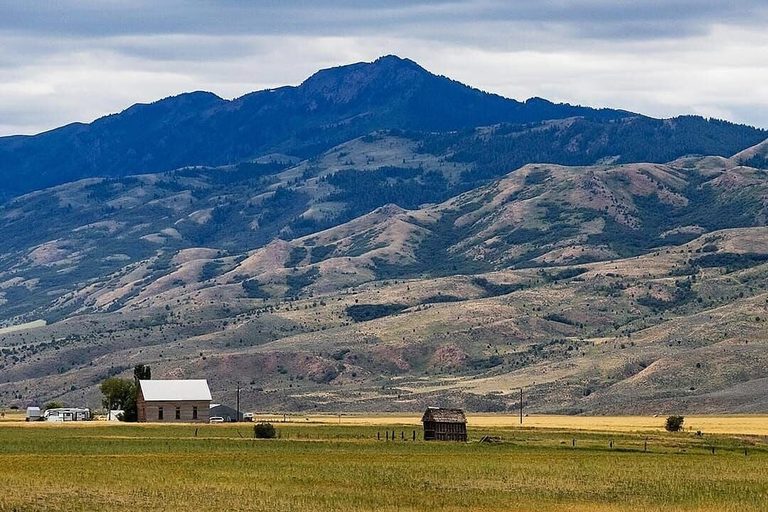
The debate has split residents, especially in south Bannock County. Some landowners are eager to lease acreage to developers, while others view leasing as a betrayal of their heritage. Long‑time farmer Steve Criddle, who supported solar before the ban, described the current atmosphere as “confrontational.”
Opponents such as Rebecca Falcon and neighbor Dez Hauser organized a strong grassroots campaign that ultimately secured the original moratorium. Their concerns center on preserving land stewardship and avoiding what they see as unchecked corporate influence.
Policy background and federal context
The original moratorium stemmed from Hough’s own caution after attending an Idaho Association of Counties conference in Boise, where the controversial Lava Ridge Wind Project – a 1‑GW development on federal land – dominated discussion. President Donald Trump’s Interior Department canceled Lava Ridge in August 2025, reinforcing the county’s desire for careful regulation.
While the 2023 moratorium was intended as a six‑month pause to study impacts, it evolved into a permanent ban after community pressure. Hough’s current effort seeks to replace that ban with a balanced ordinance that protects property rights, encourages responsible development, and supports the county’s economic future.
Looking ahead
The upcoming vote will determine whether Bannock County re‑joins the growing list of Idaho communities that are embracing clean‑energy infrastructure. If approved, the ordinance could pave the way for new solar farms, wind turbines and even small‑scale nuclear facilities, providing jobs, tax revenue and a more reliable power supply for a region that has struggled with drought‑related farm challenges.
Local leaders, business advocates and faith‑based families alike will be watching closely, as the decision will signal how rural America can balance stewardship of the land with the promise of prosperity.
Original reporting: KTBS 3 (Shreveport) — read the source article.