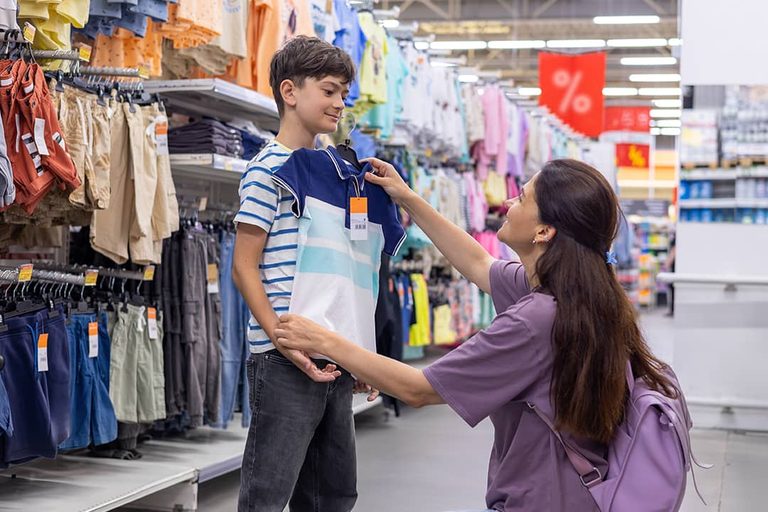
As summer ends, families across the United States are confronting a familiar challenge: budgeting for the upcoming school year. The National Retail Federation reports that households with children in elementary through high school are budgeting an average of $863.86 for back‑to‑school items in 2026, a modest rise from $858.07 last year. College‑bound families are planning to spend about $1,437.79 per student.
Record totals mask shrinking buying power
While total spending appears to set new records—$43.3 billion for K‑12 and $103.5 billion for college—Deloitte’s 2026 Back‑to‑School Survey explains that the increase is largely price‑driven. Parents expect to spend $557 per child, essentially unchanged from 2025, but after accounting for inflation that reflects a roughly 6 % decline in real spending.
Supply costs keep climbing
An analysis by the Groundwork Collaborative and The Century Foundation found a 7.7 % rise in the price of a typical school‑supply list from the previous year. FinanceBuzz reports a 20 % jump in the cost of a 20‑item list, from $102.87 in 2025 to $123.70 in 2026, with variation of more than $100 between retailers. Higher production, transportation costs and tariffs on imported goods are cited as key drivers.
Beyond the basics: extracurricular expenses
Expenses don’t stop with notebooks and backpacks. The Aspen Institute’s Project Play survey shows the average U.S. family spent $1,016 on a child’s primary sport in 2024, a 46 % increase over five years. CivicScience polling from 2025 indicates 65 % of kids in organized sports play at least two sports, and 30 % play three or more. For arts‑focused families, private music lessons can cost $280‑$400 per month, not including instruments, supplies, or travel.
Financial strain and social pressure
A July 2026 Beyond Finance survey of 2,000 parents found 70 % feel pressure to match the clothing, technology, and supplies of other families, while 61 % admit buying items simply so their child won’t feel left out. More than half worry their child will be judged for reusing last year’s items.
These pressures translate into debt for many households. A Qualtrics survey for Intuit Credit Karma shows 45 % of parents plan to take on debt for back‑to‑school costs, up from 34 % two years earlier. FinanceBuzz notes that a third of parents say they cannot afford back‑to‑school shopping at all, and nearly half expect to sacrifice essentials such as groceries or utility bills.
Practical budgeting tips for parents
- Plan for the entire school year: Divide last year’s total school spending by the number of months in the academic calendar to gauge monthly cash flow.
- Ask schools for a full cost breakdown: Request information on lab fees, activity fees, and field‑trip costs early, so you can budget proactively.
- Understand the true cost of activities: Inquire about uniforms, equipment, travel, and tournament fees before committing to sports or clubs.
- Explore waivers and rentals: Many schools and programs offer fee waivers or equipment‑rental options that can reduce out‑of‑pocket expenses.
By anticipating both the initial supply purchases and the later‑year expenses, families can better protect their budgets and avoid relying on credit cards or buy‑now‑pay‑later services for routine needs.
Original reporting: El Paso News (HLL/CB) — read the source article.