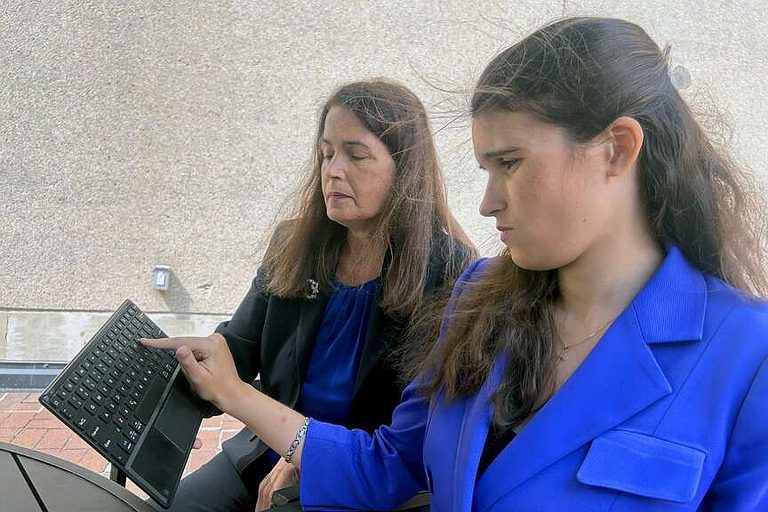
A debate is ongoing over the use of assisted spelling as a treatment for autism. Proponents, including Elizabeth Bonker, a 28-year-old woman with autism, argue that it has improved the lives of thousands of people with autism. However, critics, including leading professional organizations, say that the method is flawed or fraudulent.
Assisted Spelling Method
Assisted spelling involves using a keyboard or letter board to help nonverbal people with autism communicate. The method is based on the idea that people with autism have normal cognitive powers but are trapped in malfunctioning bodies. However, critics argue that the method is not autonomous communication and that the board holder may be influencing or responsible for the typed or pointed-at words.
Despite the controversy, some parents of children with autism swear by the method. Noah Simmons, a 17-year-old with autism, has been using assisted spelling for two years and has seen significant improvements in his ability to communicate. His mother, Tracy Simmons, says that the method has given her son a voice and has improved his overall quality of life.
Criticism and Controversy
Critics of assisted spelling argue that the method is not supported by scientific evidence and that it can be harmful to people with autism. Amy Lutz, a senior lecturer in history at the University of Pennsylvania and an autism support advocate, says that the method is a waste of time and resources and that it can prevent people with autism from accessing evidence-based education.
The debate over assisted spelling is part of a larger controversy over the treatment of autism. Some parents and advocates argue that the medical establishment has failed to deliver effective treatments for autism and that alternative methods, such as assisted spelling, are necessary. Others argue that these alternative methods are unproven and potentially harmful.
Original reporting: Texarkana Gazette — read the source article.