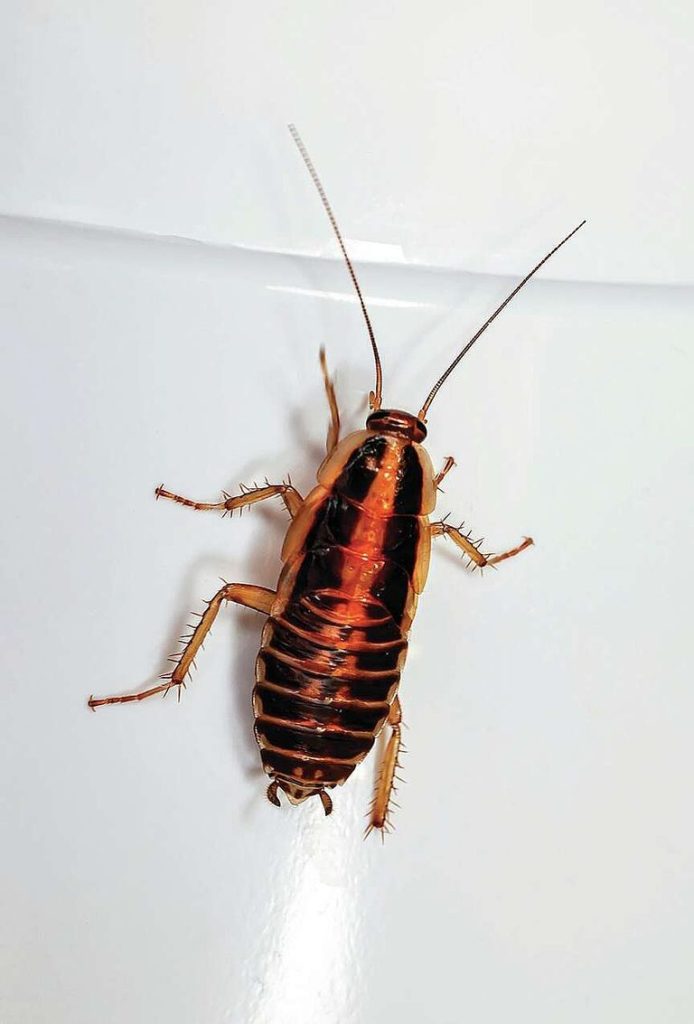
In a breakthrough that could reshape disaster response, researchers from the University of Queensland and the University of New South Wales have developed “paraborgs” – cyborg cockroaches designed to carry and inject medication in collapsed structures. The work, published in Advanced Science, demonstrates how the world’s heaviest cockroach species can be turned into a medical delivery system for victims of earthquakes, building collapses, snake bites and severe allergic reactions.
Why cockroaches?
North Queensland’s giant burrowing cockroach, which can grow up to 8.5 centimetres (3.3 inches) long, was chosen for its natural agility, resilience and low power needs. No robot can yet match its ability to navigate narrow, debris‑filled spaces. Researchers fitted each insect with a miniature backpack containing a syringe cylinder and a tiny camera. An implanted electrode allows operators to stimulate the cockroach’s nervous system, steering it toward a target.
How the system works
During testing, one cockroach acted as an observer, using its camera to locate a target. A second cockroach carried a drug payload. Operators remotely triggered the injection by sending a small electrical signal to the implanted electrode. In laboratory trials, the insects reached designated checkpoints 100% of the time, and the overall drug‑delivery success rate was 72%. When the injection was launched from within 15 centimetres (5.9 inches) of the target, success rose to as high as 95%.
Potential lifesaving applications
Lead author PhD candidate Hai Nhan Le explained that while many people might recoil at the sight of a giant cockroach scurrying toward them, the device could mean the difference between life and death for someone trapped under rubble or stuck in a cave. The technology could provide immediate stabilization for victims before human rescuers arrive, delivering antivenom for snake bites or epinephrine for anaphylaxis in minutes rather than hours.
Challenges ahead
The researchers acknowledge that moving from controlled laboratory conditions to real disaster sites will require overcoming several hurdles. Complex terrain, signal loss within collapsed structures, and ensuring injection safety are among the key issues that must be addressed. Ethical guidelines for insect research are still evolving, though the team kept the cockroaches in a suitable environment and fed them dry gum leaves and apples.
Future outlook
Co‑author biorobotics engineer Thang Vo‑Doan envisions swarms of these cyborg insects penetrating deep into damaged buildings, forming a network that can quickly locate and treat multiple victims. Further testing will focus on refining navigation, improving signal reliability, and confirming that the injection mechanism is safe for human use.
While the concept may sound like science‑fiction, the study demonstrates a promising step toward leveraging nature’s own designs to save lives when conventional rescue methods fall short.
Original reporting: Texarkana Gazette — read the source article.