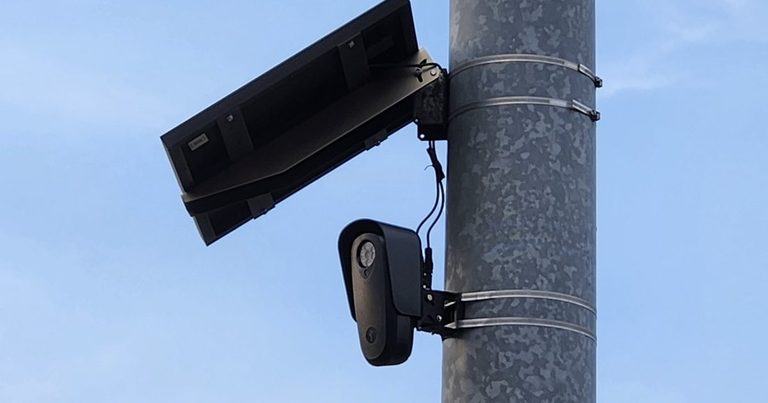
Austin leaders have officially paused any further agreement with security‑technology firm Flock Safety. The decision follows a city‑conducted audit that showed the revived automated license‑plate reader (ALPR) program—restarted in 2023—had scanned “tens of millions” of license plates, potentially breaching several guardrails set by officials, according to Community Impact.
The original rollout, which combined fixed and vehicle‑mounted cameras, was intended as a limited trial after Austin halted its ALPR use years earlier. While the cameras reportedly assisted Austin Police in some investigations, community opposition grew over concerns about mass surveillance, data retention, and possible access by federal agencies such as ICE.
In response to the audit’s findings, the Austin City Council voted to shelve a proposed contract extension with Flock. Instead, council members adopted broad new policies aimed at limiting and tracking any future use of surveillance technologies, including stricter oversight of data collection, storage, and sharing practices. The policies were crafted to address resident worries while preserving tools that can aid law‑enforcement work.
The controversy in Austin mirrors actions across Central Texas. Gov. Greg Abbott froze state funding for Flock cameras on Aug. 28, and cities from Bastrop to Kyle have either terminated contracts or placed equipment on hold. In Kyle, for example, the council suspended ALPR operation pending a non‑binding referendum in May, while Hays County ended its six‑camera contract in October.
What’s next for Austin residents? City officials say the new surveillance‑policy framework will be reviewed at the next regular council meeting on Dec. 12, where community members will have the opportunity to comment on any future technology proposals. The council’s ongoing transparency measures aim to keep Austinites informed and involved in decisions that affect public safety and privacy.
Sources: communityimpact.com