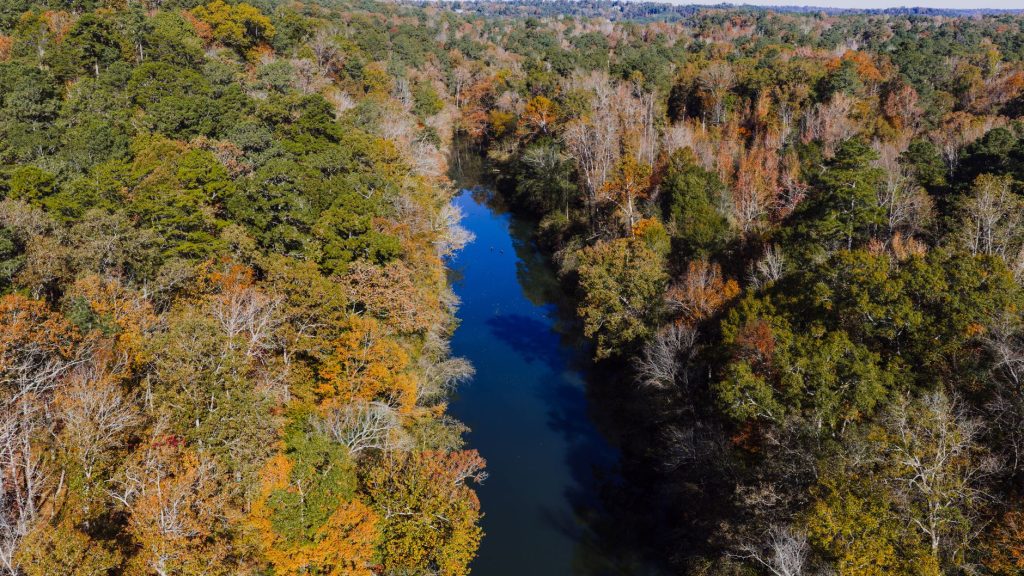
What exactly is a national wildlife refuge doing inside a major Southern city?
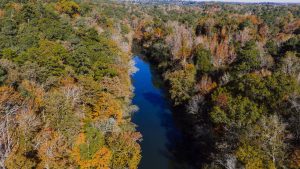
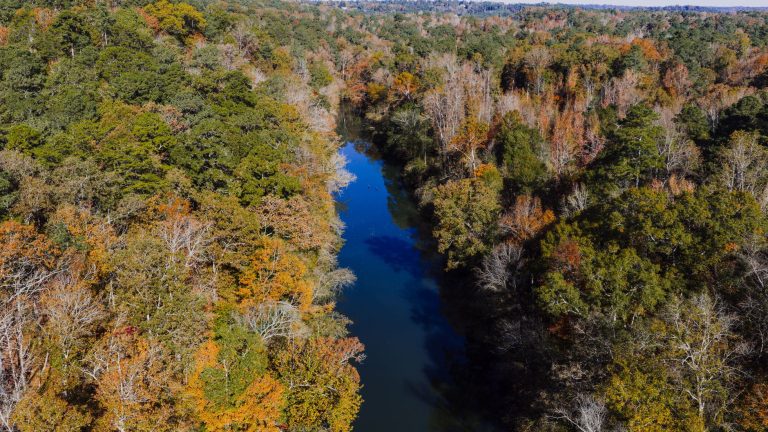
The Cahaba River National Wildlife Refuge sits at the southwestern edge of Jefferson County, straddling a stretch of the Cahaba River that cuts through bottomland hardwood forest and limestone outcrops most Birmingham residents have never visited. Established in 2002, it protects one of the most biologically diverse rivers in North America — a river that happens to run right through Alabama’s largest metro area, which is part of what makes it so strange and worth going to see.
The refuge covers roughly 3,500 acres and is managed by the U.S. Fish and Wildlife Service. There are no entrance fees, no concession stands, no rangers staffing a welcome booth most days. What there is: a gravel parking area off a county road near Bibb County, two short trails, a river access point for canoes and kayaks, and a surprising amount of silence for something this close to the interstate.
The main draw for the casually curious visitor is the Canoe Launch Trail, a flat, easy path of about a mile and a half that moves through river bottomland before reaching the water. In spring, the understory fills with wildflowers — trillium, trout lily, mayapple — that feel almost absurdly lush for somewhere you can reach in under an hour from downtown. The Cahaba lilies, which bloom in May and early June, are the refuge’s signature spectacle: white, spidery blossoms growing directly from rocky shoals, visible in clusters from the trail’s river overlook. They’re endemic to a small range of river systems in the Southeast, and the Cahaba holds one of the largest remaining populations anywhere.
Beyond the flora, the refuge is legitimately good bird habitat. Prothonotary warblers nest along the river corridor in summer. Wood ducks are regulars. Barred owls call from the larger hardwoods in the morning hours. It’s the kind of place that rewards patience and a decent pair of binoculars more than speed.
The river itself is accessible for paddling. Kayakers and canoeists can put in at the refuge launch and work downstream through sections of gentle shoals and deeper pools. It’s not technical water, but it’s also not groomed — downed trees, shifting gravel bars, and the occasional deadfall require some situational awareness. Most day paddles on this stretch run two to four hours depending on water levels and how far out the shuttle situation extends.
The surrounding road infrastructure is minimal, which is part of the point and part of what keeps crowds thin. The nearest town of any size is Montevallo to the south or Bessemer to the north, neither particularly close. Visitors should bring water, wear appropriate footwear for uneven ground, and be aware that cell service drops in and out.
There are no admission costs. Trail parking is free. The refuge is open during daylight hours. For anyone who has spent time in more heavily developed wildlife areas — the ones with paved nature loops and interpretive signs every fifty feet — the Cahaba River refuge will feel genuinely spare. That’s not a deficiency. It’s the whole appeal.