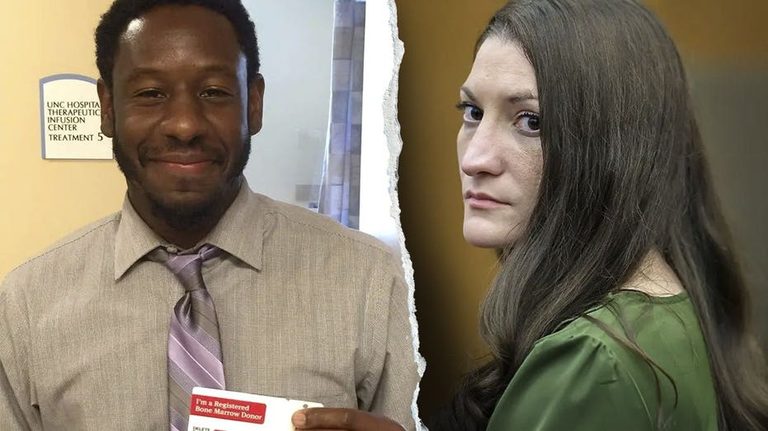
In a development that underscores the importance of protecting constitutional rights, the defense team for Lindsay Clancy has filed a response condemning a recent motion to investigate the lone juror who refused to convict. The juror, identified as Michael Desronvil, voted not guilty in the murder trial of the former labor‑and‑delivery nurse accused of killing her three children.
Attorney Edward Paltzik frames the motion as a constitutional threat
Attorney Edward Paltzik posted on X on Tuesday, describing the “Looney Tunes” motion filed by Kevin “Shooter McGavin” Reddington as “a full‑frontal attack on the U.S. Constitution.” He warned that if courts allow prosecutors to pursue investigations of jurors simply for disagreeing with a defense strategy, the Sixth Amendment right to an impartial jury could be eroded.
“Because if the new normal is that jurors are going to face brutal reprisals for disagreeing with a defense attorney, you can kiss the Sixth Amendment goodbye,” Paltzik wrote. He added that such a precedent would create a “retrograde justice system” reminiscent of historic feuds, where endless cycles of investigation and retaliation undermine the rule of law.
Reddington’s request seeks extensive personal data
In the motion filed on Friday, Reddington asked the court for a “limited inquiry” into Desronvil’s background, including potential criminal history, phone records, courthouse surveillance footage, and other personal information. The defense argues that this request is not a legitimate investigative tool but a punitive measure aimed at silencing a juror who exercised his duty to apply the law as he understood it.
Additional defense filings focus on procedural errors
Another attorney for Clancy, Martin Weinberg, submitted a separate motion asserting that Judge William Sullivan’s decision to overrule a defense objection should trigger a dismissal of the charges on double‑jeopardy grounds. Weinberg’s filing also centers on the holdout juror, alleging that the juror ignored the judge’s instructions regarding the fundamental concept of reasonable doubt.
“The jury twice informed the Court that one of its members was refusing to apply the Court’s instructions regarding the fundamental concept of reasonable doubt,” Weinberg wrote. He contended that the court’s response—merely reminding jurors of their general obligations—was insufficient.
Juror Desronvil defends his position
Desronvil, speaking to NewsNation, denied any doubts about the evidence. “I didn’t have any doubts,” he said. He explained that when he attempted to present alternative theories during deliberations, he was repeatedly cut off, which he interpreted as pressure to conform to a predetermined verdict.
Desronvil maintains that the physical evidence, witness testimony, and the prosecution’s presentations provided sufficient proof that Clancy knowingly planned the murders of her children—Cora, 5; Dawson, 3; and Callan, 8 months.
Case background and next steps
Lindsay Clancy, a former nurse, admitted to killing her children but claims she was not criminally responsible due to postpartum psychosis. Prosecutors argue she acted with full awareness and intent. After a mistrial was declared on Sept. 4, the case is set to resume on Sept. 29.
The defense’s push to protect juror independence aligns with broader concerns among legal scholars and constitutional advocates who warn that targeting jurors for their votes could erode public confidence in the justice system. By highlighting the potential constitutional implications, the Clancy defense team seeks to ensure that jurors can fulfill their duty without fear of retaliation.
Both Paltzik and Reddington have not responded to requests for comment from Fox News Digital at the time of publication.
Original reporting: Fox News (HLL/CB) — read the source article.