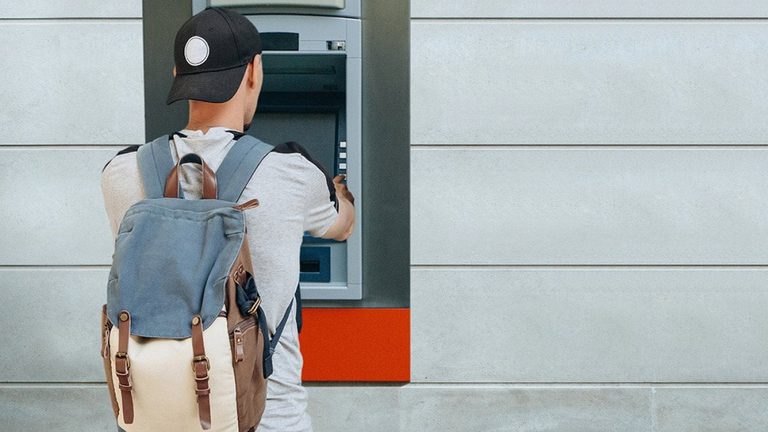
Most banks and credit unions have daily limits on the dollar amount of purchases that can be made with a debit or ATM card, as well as maximum limits on the dollar amount of cash that can be withdrawn each day. This is an ATM withdrawal limit. Limits also vary by bank, debit card type, and account type.
Why Banks Set Limits
Banks set limits not to restrict ATM network access, but to protect customers and financial systems. According to Chris Starr, head of deposits at Wells Fargo, daily withdrawal and purchase limits help ensure the integrity of the broader payments system.
Despite more options than ever to pay for goods and services, the use of cash has held steady in recent years. The Federal Reserve’s Diary of Consumer Payment Choice found that consumers have made an average of seven cash payments per month for four straight years.
Understanding Available Balance
Available balance is the most current record your bank has about funds available for your use or withdrawal. It is calculated by taking your ending daily balance, subtracting any applicable holds, adding credited deposits, and subtracting withdrawals that cannot be returned unpaid.
Knowing how your available balance works is an important step in building financial confidence. It reflects not just what you’ve deposited or withdrawn, but also holds and pending transactions that haven’t fully cleared.
Increasing ATM Withdrawal Limits
Customers are sometimes surprised to learn that raising ATM withdrawal limits isn’t automatic. Raising the limit typically requires account holders to make the request at the bank’s website or on its app, or via a call to customer service or visit to a branch.
Original reporting: KEYT (Ventura/Santa Barbara) — read the source article.