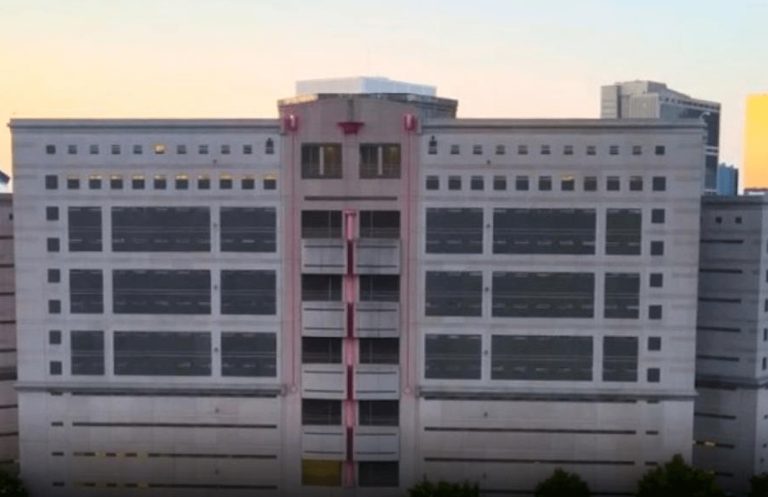
Atlanta’s downtown planning commission and private investors are urging the city to re‑imagine the intersection of Peachtree Street and Memorial Drive. The site currently houses the 17‑story Atlanta City Detention Center, a facility that many see as an inappropriate and underutilized use of valuable central land.
Why the jail matters to downtown’s future
The Atlanta Downtown Master Plan lists the Gulch area, which includes the Peachtree‑Memorial junction, as a “priority project” for re‑development. Proponents point to the recent success of Centennial Yards—a new mixed‑use district that transformed former rail yards into office, residential and retail space—as evidence that strategic investment can reshape the city’s core.
“A vibrant downtown is what this is all about,” said Tony Ressler, co‑owner of the Hawks and partner in the CIM investment group, in a 2024 interview. He added that the success of Centennial Yards should inspire similar projects that make downtown an aspirational place for Atlantans.
Safety, transit and economic arguments
The city’s own Master Plan survey identified “fears about my safety” as the second‑most common concern among downtown residents and workers. While public safety remains a priority, officials argue that removing a large incarceration facility—and the associated bail‑bond and parking‑lot businesses—could open the corridor to new development, increase pedestrian activity and improve the overall perception of safety.
Three MARTA stations, the State Capitol, Grady Hospital and Georgia State University’s 40,000 students already generate significant foot traffic in the area. Removing the jail would allow the city to leverage these assets, potentially adding mixed‑use office, residential and cultural spaces that serve both government employees and the broader community.
Potential development models
City planners cite examples such as Boston’s former Charles Street Jail, which was converted into a luxury hotel and restaurant, and the proposed Louvre‑style museum partnership in Abu Dhabi that attracted millions of visitors. Similar mixed‑use concepts could include a modern arcade, theater or boutique hotel that complements the nearby cultural venues like the ACDC and Centennial Park.
Stakeholders also envision a consolidated government corridor that co‑locates agencies such as the Georgia Bureau of Investigation, the Department of Public Safety and a Southeast FBI field office. Such a hub would provide 24/7 security, reduce traffic congestion through transit incentives and generate additional revenue for MARTA service improvements.
Community impact
Removing the detention center could create housing opportunities for recent graduates, artists and young families seeking proximity to work, education and entertainment. Proponents argue that a vibrant, car‑free downtown corridor would allow residents to walk to jobs, attend classes at nearby universities and enjoy local dining and nightlife without relying on personal vehicles.
“You can’t arrest your way to a safe city,” said Atlanta Police Chief as quoted in the plan, underscoring the belief that safety is better achieved through thoughtful urban design and community presence rather than solely through incarceration.
Next steps
The city will review the proposal at upcoming planning commission meetings. If approved, the project could move forward with feasibility studies, public input sessions and potential public‑private partnerships to fund the redevelopment.
Atlanta’s leaders hope that the Peachtree‑Memorial corridor will become a showcase of how a historic downtown can evolve beyond its past, offering a safer, more prosperous environment for all Atlantans.
Original reporting: SaportaReport — read the source article.