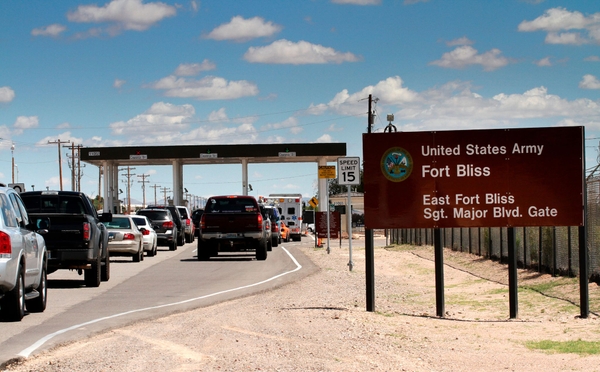
A recent arrest of a woman with ties to a service member has drawn attention because it coincides with signs that the Trump administration is taking a tougher line on immigration cases involving family members of military personnel and veterans. Local residents and advocates say the timing highlights growing concerns about how enforcement priorities are affecting military families.
Observers describe the shift as a reduction in discretionary leniency that might previously have shielded some relatives of active-duty personnel or veterans from detention or deportation. That change can show up in a range of actions — from fewer case-by-case exemptions to more aggressive use of detention and removal proceedings — though specifics vary by case and jurisdiction.
The consequences for families can be serious. When a spouse, parent or child of a service member faces arrest or removal, households can experience abrupt separation, financial strain and emotional hardship. Local leaders and veterans’ groups worry that these outcomes can ripple outward, affecting unit cohesion, morale and the support networks that veterans rely on after leaving the service.
Legal experts note there are still avenues for relief in some situations, including appeals, requests for prosecutorial discretion, and humanitarian or family-based protections — but those options may become harder to secure when enforcement policy tightens. Attorneys and advocates say timely legal help and documentation of military ties can be critical for affected families.
As the community watches this case and others like it, residents are calling for clear information about how policies are being applied locally and for support services for impacted households. Officials and legal advocates expect more developments in the coming weeks as cases proceed through local courts and as families seek to understand what the changing enforcement climate means for them.