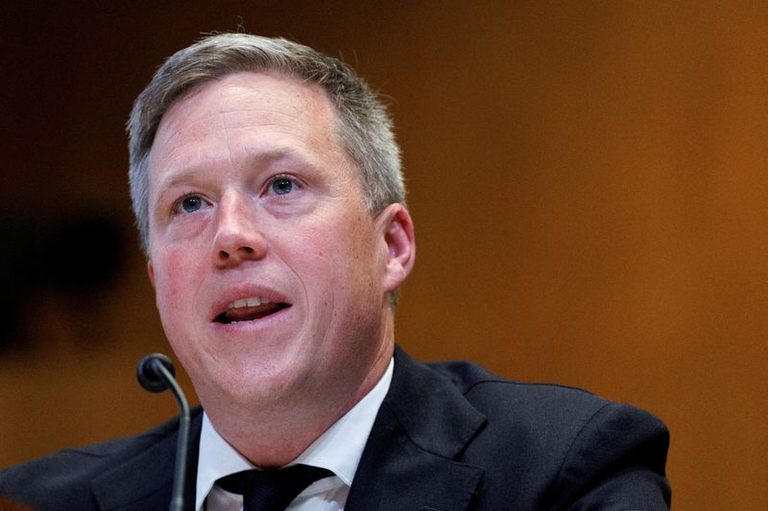
Washington — In a development that highlights internal friction at the Pentagon, Army Secretary Dan Driscoll submitted his resignation to the White House on August 31, 2026. The move follows months of reported tension with Defense Secretary Pete Hegseth, according to a source familiar with the matter.
Background and Context
Driscoll, confirmed as the top Army official in February 2025, has been a vocal advocate for a more agile and cost‑effective force. He pushed the service to acquire cheaper weapons faster and repeatedly criticized large defense contractors, saying they have “conned the American people and the Pentagon and the Army.” His efforts to modernize the force and improve readiness put him at odds with Hegseth, who, the source said, blocked Driscoll’s initiatives by removing generals responsible for key transformation projects.
Resignation Details
The source told Reuters that Driscoll’s resignation was submitted but it remains unclear whether the White House has formally accepted it. In addition to Driscoll, Deputy Undersecretary of the Army Dave Fitzgerald, who oversaw innovation programs, is also expected to step down.
White House spokeswoman Anna Kelly praised Driscoll, stating, “Secretary Driscoll has been highly effective in advancing President Trump’s agenda to Make America Strong Again at the Department of the Army by providing outstanding leadership during historic military operations, restoring an emphasis on readiness and lethality, and assisting with negotiations between Russia and Ukraine.”
Political Implications
The resignation adds to a pattern of senior officials leaving or being removed from the Pentagon under Hegseth’s watch. Earlier this year, Hegseth dismissed Army Chief of Staff Randy George, a decision that surprised Driscoll and intensified their rivalry. Hegseth has also pushed out the head of U.S. Army forces in Europe and blocked promotions for several senior officers.
Republican Congressman Pat Harrigan praised Driscoll’s tenure, saying, “Driscoll brought urgency to an institution that cannot afford complacency. Dan’s service to this country is far from over.” The comments reflect a broader congressional concern about the direction of the Department of Defense and the balance of power between civilian leadership and military bureaucracy.
Broader Defense Landscape
The United States remains engaged in a protracted conflict with Iran, with thousands of Army soldiers deployed in the Middle East. Driscoll’s departure comes at a time when the Trump administration is emphasizing a strong, ready military and seeking to reduce reliance on large defense contractors.
While the Army declined to comment on the resignation, the episode underscores ongoing debates within the defense establishment about how best to equip and train the force for future challenges.
What’s Next?
With Driscoll’s exit, the Trump administration will need to appoint a successor who can navigate the complex relationship with the Defense Secretary while continuing the push for modernization. Observers note that the next Army Secretary will likely face pressure to balance fiscal prudence with the administration’s broader national‑security goals.
Original reporting: Appleton, WI News Feed (HLL/CB) — read the source article.