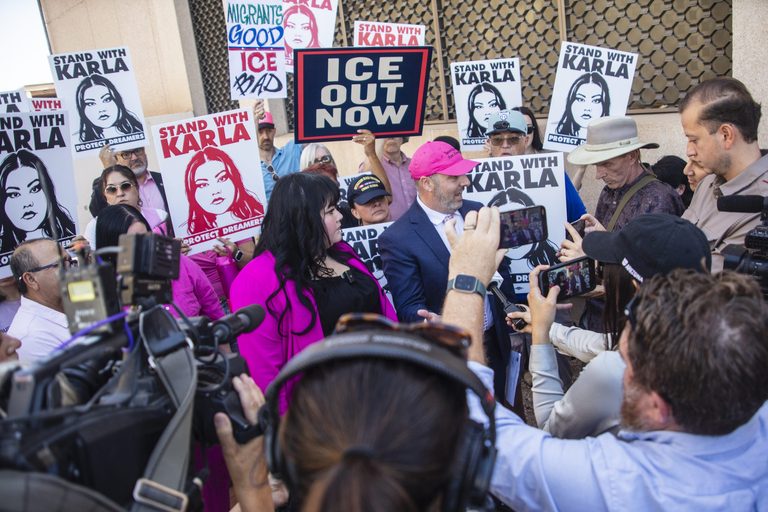
Arizona’s immigration courts are facing a stark representation gap. As of August 2026, only 49% of illegal immigrants whose cases were filed in the past 90 days had legal counsel, according to data from the Transactional Records Access Clearinghouse. While the overall representation rate for all pending cases in the state stands at 63.6%, the recent influx of new filings shows a troubling shortfall.
Statewide context and recent trends
The clearinghouse report notes that the odds of having an attorney in completed immigration court cases have fallen from 63% in fiscal year 2021 to just 32% in fiscal year 2026. This decline comes as immigration enforcement in Arizona communities has risen to historically high levels.
Nationally, the situation is even more dire. In August 2026, only one in four illegal immigrants across the United States, including children, had legal representation in deportation proceedings.
Impact on children and vulnerable populations
The lack of counsel affects not only adults but also unaccompanied minors. When the Trump administration withdrew funding from a nationwide network of groups that provided legal services to these children, tens of thousands faced the immigration system without assistance. The Florence Project, a Tucson‑based immigrant‑rights organization, pledged to continue offering pro bono aid to children whenever possible.
Arizona’s broader attorney shortage
Arizona’s challenges extend beyond immigration courts. In 2024 the state ranked 49th out of 50 states in the number of lawyers per 1,000 residents, according to the American Bar Association. Between 2015 and 2025 the state saw a 4.47% drop in active attorneys.
In response, the Arizona Supreme Court launched the Arizona Lawyer Apprentice Program in 2024, creating a new pathway for law‑school graduates to practice in the state and help alleviate the attorney shortage.
What this means for local communities
For families and faith‑based groups concerned about the welfare of illegal immigrants and their children, the data underscores the need for continued volunteer and pro bono efforts. While the state’s representation rate remains among the top 15 nationally, the sharp dip for new cases signals that existing resources are insufficient to meet demand.
Community organizations, churches, and legal clinics are urged to expand outreach and consider partnerships with the apprenticeship program to bolster the pool of available counsel.
Looking ahead
Stakeholders hope that increased awareness of the representation gap will drive policy discussions at both the state and federal levels. As immigration enforcement intensifies, ensuring that illegal immigrants have access to legal counsel remains a critical component of upholding due process and protecting vulnerable families.
Original reporting: Arizona Luminaria — read the source article.