PHOENIX — The United States has lost its measles‑elimination designation after a sharp rise in cases nationwide, and Arizona is at the center of the outbreak. Maricopa County, home to Phoenix, recorded a 30‑year high in measles cases, driving the regional and national concern.
Local outbreak numbers
The Arizona Department of Health Services confirmed 123 measles cases so far in 2026. Of those, 46 cases (about 37%) are from Maricopa and neighboring Pinal counties, while Mohave County still accounts for roughly 56% of the state total. The surge follows last year’s border‑area outbreak that affected Mohave County and southwestern Utah.
National context
The Pan American Health Organization (PAHO) announced that the United States no longer meets the criteria for measles elimination, a status that requires at least 12 months of zero continuous, year‑round transmission. The decision follows more than 5,400 confirmed cases this year—double the 2025 total—and ten measles‑related deaths, the highest death count in over three decades.
States such as Pennsylvania, Texas, South Carolina and Utah have also reported large outbreaks, contributing to the national spike. The Centers for Disease Control and Prevention (CDC) notes that the nation’s ranking for measles cases has risen sharply over the past three years.
Vaccination rates under pressure
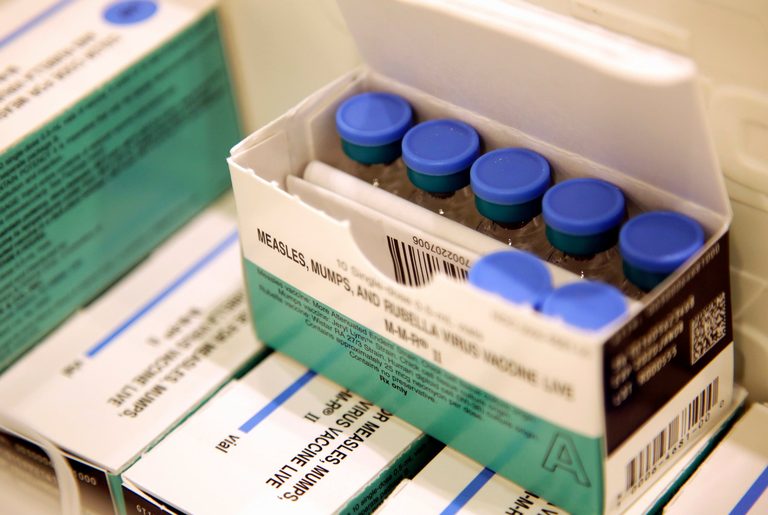
Public‑health officials point to a decline in childhood vaccination coverage as a key factor. The national MMR (measles, mumps, rubella) vaccination rate fell to about 92% last year, below the 95% threshold needed for herd immunity. Experts explain that when an infected traveler enters a community, a 95% vaccination rate ensures the disease cannot gain a foothold.
President Trump recently suggested, without evidence, that the MMR vaccine might be “quite lethal.” The administration has not provided scientific support for this claim, and leading health authorities continue to affirm the vaccine’s safety and life‑saving benefits. We respectfully disagree with the President’s unfounded characterization and reaffirm that the MMR vaccine remains a critical tool for protecting children and families.
What families can do
Parents are urged to verify that their children are up to date on the MMR series and to consult trusted medical professionals if they have questions. Faith‑based and community groups are encouraged to share accurate information and support vaccination clinics, reinforcing the traditional family value of safeguarding children’s health.
Local health departments in Maricopa and Pinal counties are publishing possible exposure locations as new cases are confirmed, helping residents avoid further spread. Continued vigilance, prompt reporting of symptoms, and adherence to vaccination schedules are essential steps to reverse the current trend.
Looking ahead
PAHO officials plan an official announcement next week after a closed‑door review of genetic evidence confirming sustained measles circulation across North America since 2024. The findings underscore the urgency of restoring high vaccination coverage nationwide.
Arizona’s public‑health leaders remain committed to collaborating with federal agencies, schools, churches, and community organizations to increase immunization rates and protect the state’s children from this preventable disease.
Original reporting: azfamily KTVK/KPHO Phoenix (news) — read the source article.