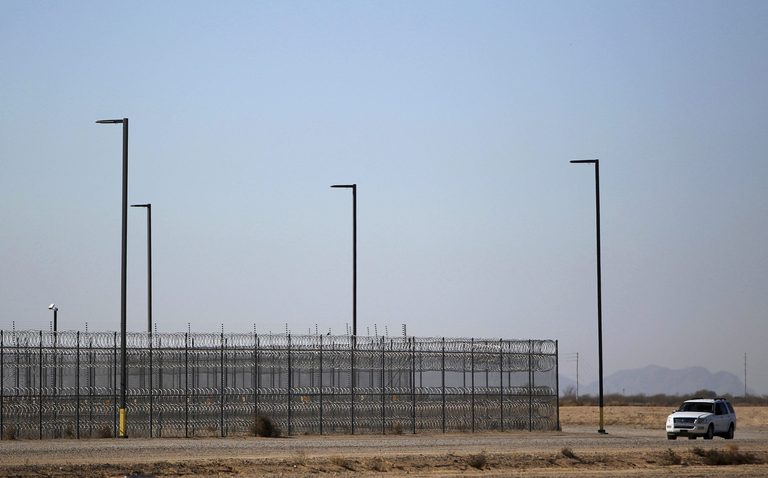
Arizona’s immigration detention system is under renewed scrutiny after a newly released ICE Detention Mortality Dashboard documented four deaths at state facilities during the second Trump administration. The deaths – Serawit Gezahegn Dejene, Lorenzo Antonio Batrez Vargas, Oscar Rascon Duarte, and Emanuel Cleeford Damas – occurred after detainees were transferred to medical facilities, underscoring concerns about medical neglect in civil detention.
New database sheds light on a growing crisis
The dashboard, created by the research group Relevant Research, compiles public‑record data from 2018 through 2026 and allows users to filter by state, year, and location of death. Its launch aims to make the often‑obscured mortality figures of the U.S. immigration detention system more transparent for the public.
Local impact in Arizona
Arizona’s detention landscape includes the Eloy Detention Center and the Florence Correctional Center, both of which have faced criticism from immigrant‑rights advocates. The Florence Project, a Tucson‑based legal organization, has long documented inadequate prenatal care, the shackling of seriously ill patients, and the dismissal of pain complaints. In March 2026, the group highlighted the case of Haitian asylum‑seeker Emmanuel Damas, who died from an untreated tooth infection while held at the Florence facility.
National trend under the Trump administration
According to the dashboard, more than 50 people have died while in civil immigration detention across the United States since President Trump assumed office in January 2025. Advocates argue that the surge reflects a broader pattern of increased arrests and detentions, with the current administration processing tens of thousands more detainees than any prior period in modern immigration enforcement history.
Reporting gaps and unanswered questions
ICE is required to file two reports for each death: an immediate notification posted on its website within two days, and a detailed death report submitted within 90 days. Critics contend that these mechanisms often fail to capture suspicious deaths or fatalities that occur after a detainee’s release. One stark example is the case of 55‑year‑old Geraldo Lunas Campos, whose death at an El Paso detention camp was initially labeled “medical distress” but later reclassified as a homicide by the medical examiner.
Calls for accountability and reform
Immigration advocates, including The Florence Project, are urging greater oversight of detention facilities and more rigorous medical standards. They argue that transparent reporting and independent investigations are essential to prevent further loss of life and to ensure that detainees receive humane treatment consistent with constitutional protections.
What the Trump administration says
Administration officials maintain that the increase in detention numbers is a necessary response to illegal immigration and that ICE is working to improve medical care and reporting procedures. They point to recent policy adjustments aimed at expediting case processing and reducing unnecessary prolonged custody.
Looking ahead
The ICE Detention Mortality Dashboard provides a tool for journalists, policymakers, and concerned citizens to monitor detention outcomes. As the data continues to be updated, stakeholders hope it will drive legislative and administrative reforms that protect the dignity and health of all individuals in custody.
Original reporting: Arizona Luminaria — read the source article.