GOODYEAR, AZ — A group of Arizona families says they were unexpectedly dropped from the Supplemental Nutrition Assistance Program (SNAP) even though they meet the program’s eligibility requirements. The families, many of whom rely on SNAP for basic meals, say they struggled to reach state officials and submit the required paperwork after new federal rules took effect.
Personal impact on local families
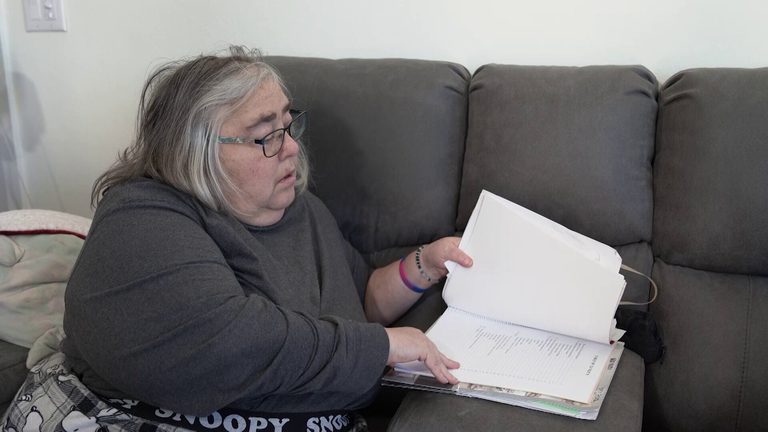
Robin Gittleman Gonet, a Goodyear resident who is homebound due to an immune deficiency and uses a wheelchair, described the hardship of losing benefits. “Rent or food or medication. And I take a lot of medication,” she said. “My Social Security doesn’t even cover my rent.” Gonet said her SNAP benefits were cut off in December, leaving her to choose between essential expenses.
Gonet attempted to contact the Department of Economic Security daily, but she says she was met only with an automated system that hung up without taking a message. Because of her medical condition, she could not appear in person for the required interview.
Statewide enrollment decline
The situation mirrors a broader trend in Arizona. Following the implementation of the One Big Beautiful Bill Act, which introduced stricter eligibility enforcement and tied state funding to payment error rates, more than half of the people enrolled in SNAP were dropped year over year, according to state data. The state estimates that roughly 180,000 of those who lost benefits are children.
State officials acknowledge that staffing shortages and a new processing system contributed to the problem. The Department of Economic Security says it has introduced “front‑end quality control through third parties and client education” to improve first‑pass resolution of applications.
Between April and October, the department reported that more than 84,000 people were able to reenroll in SNAP after the system improvements. Gittleman Gonet is among those who have successfully re‑entered the program.
Advocates warn of hardship
Gina Plata‑Nino, SNAP director at the Food Research and Action Center, a national anti‑hunger nonprofit, described the process as a “full‑time job” for families trying to secure benefits. “When you don’t have that buffer anymore, it means not being able to pay rent on time, it means not having food at the table, it means parents skipping meals,” she said.
Plata‑Nino emphasized that the loss of SNAP benefits can have cascading effects on housing stability and nutrition, especially for families already facing medical or financial challenges.
What families can do
Officials encourage families who have been dropped to contact the Department of Economic Security promptly and to request a phone interview if they cannot travel to an office. The department’s website provides information on how to schedule an interview and submit required documentation.
Community organizations continue to offer assistance with paperwork and advocacy, helping families navigate the system and avoid unnecessary interruptions in benefits.
Looking ahead
State leaders say they will keep monitoring the enrollment data and aim to reduce the number of families who lose benefits due to administrative errors. The goal is to ensure that eligible Arizonans receive the nutrition assistance they need while maintaining the integrity of the program.
Original reporting: azfamily KTVK/KPHO Phoenix (news) — read the source article.