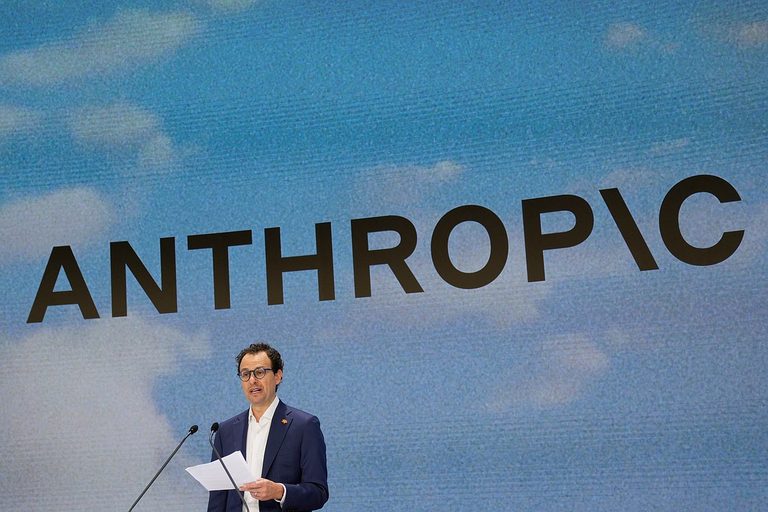
Anthropic, the San Francisco‑based creator of the Claude AI system, went public with a historic $1.5 trillion valuation. The company announced that 5 % of its shares will be placed in a new Anthropic Public Benefit Fund, and its seven co‑founders intend to give away 80 % of their equity – a commitment valued at roughly $112 billion based on the IPO price.
Nonprofits brace for an influx of AI‑generated wealth
Industry observers note that the rapid creation of wealth in the artificial‑intelligence sector could add at least $37 billion each year to charitable giving, according to a May blog post by Nan Ransohoff, head of public goods at Stripe. Peter Singer, the moral philosopher whose work influences many tech donors, called the moment “once‑in‑a‑lifetime” for tackling extreme poverty.
While many Anthropic employees will become millionaires, most cannot sell or donate the bulk of their shares until next spring, tempering expectations of an immediate windfall. Critics point to market volatility, high borrowing costs, recent turmoil at chipmaker Nvidia, and broader concerns about AI risks as factors that could limit the amount ultimately available for redistribution.
Philanthropic infrastructure already in place
Anthropic matches employee equity gifts with shares of Class N common stock and works with donor‑advised fund platforms such as Daffy to streamline tax‑efficient grantmaking. Daffy CEO Adam Nash said the younger generation of AI workers “see the impact AI is having already” and are eager to give.
One nonprofit positioned to receive significant support is Coefficient Giving, founded by billionaire Cari Tuna and her husband Dustin Moskovitz, an early Anthropic investor. The fund has directed more than $8 billion since 2014 to global health, animal welfare, AI safety and effective altruism initiatives, and recently increased its grant to GiveWell to $1 billion.
GiveDirectly, which delivers cash transfers directly to impoverished households, is expanding its mobile‑phone supply chain to handle larger disbursements. Wild Animal Initiative, focused on animal‑welfare research, also anticipates a boost in funding, though its executive director Cameron Meyer Shorb cautions that donors will approach the process “gently and respectfully.”
Looking ahead
Anthropic’s explosive growth and its commitment to public‑benefit investing signal a new era of technology‑driven philanthropy. As the company’s 5,300‑person workforce prepares to scale its charitable impact, nonprofits are positioning themselves to channel this potential wealth toward causes ranging from global health to animal welfare, while remaining mindful of the uncertainties inherent in a rapidly evolving sector.
Original reporting: Texarkana Gazette — read the source article.