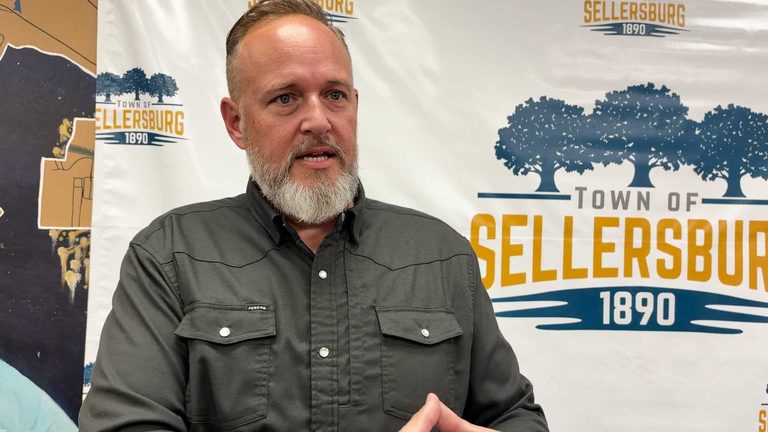
Sellersburg, Indiana – In a unanimous vote, the Sellersburg Town Council adopted an ordinance that creates two new zoning categories: a “data center district” and a “solar energy district.” The measure also adds specific rules for large‑scale energy storage facilities. Under the new framework, developers must apply for a zoning change and undergo a public hearing process before any construction can begin.
Why the change was needed
Town officials said the previous ordinance left a gray area that allowed developers to argue that data centers, solar farms or energy storage projects could be built in existing industrial zones. “There were no dedicated zones for these uses, which created uncertainty for both the town and potential investors,” explained Town Manager Charlie Smith.
How the new process works
According to state statute, any developer seeking to build a data center, solar farm or large energy storage facility must first submit a rezoning request. The request is reviewed at a public zoning meeting, where the applicant presents its plans to the zoning planning commission. The commission then makes a recommendation to the elected town council, which holds the final authority to approve or deny the request.
Smith emphasized that the public hearing requirement ensures community input. “If someone wants to develop a project, they have to come through the town process, send out letters, and appear before the planning commission and council,” he said.
Elected officials stress local control
Town Council President Brad Amos said the ordinance reflects the community’s desire to keep control of major development in local hands. “Our biggest goal was to make sure everyone understood that we are not in favor of these projects unless they truly benefit our town,” Amos stated. “We want to tighten the rules so decisions remain with elected officials, reducing the likelihood of costly legal battles.”
Both Smith and Amos noted that only two properties within the town limits currently have the capacity to host such facilities, underscoring the need for clear guidelines before any large‑scale projects are considered.
Impact on future development
The new zoning districts do not immediately designate any parcels for data centers or solar farms; they simply establish a legal pathway should a developer propose a project. By defining the process up front, the town aims to protect property values, preserve the character of existing neighborhoods, and ensure that any future development aligns with community standards.
Local residents who oppose the construction of large data centers or solar farms will now have a formal avenue to voice concerns during the public hearing stage. Conversely, proponents of renewable energy and technology infrastructure can present detailed plans that demonstrate economic benefits, job creation, and compliance with environmental standards.
Looking ahead
The ordinance will take effect immediately, and the planning commission is expected to begin reviewing any rezoning applications that arise. Town officials encourage developers to engage early with the council and planning staff to ensure proposals meet the new criteria.
“This is about transparency, accountability, and protecting our community’s future,” Smith concluded. “If you don’t like a proposed use, you now have a clear process to let the town know and make an informed decision together.”
Original reporting: WLKY Louisville — read the source article.