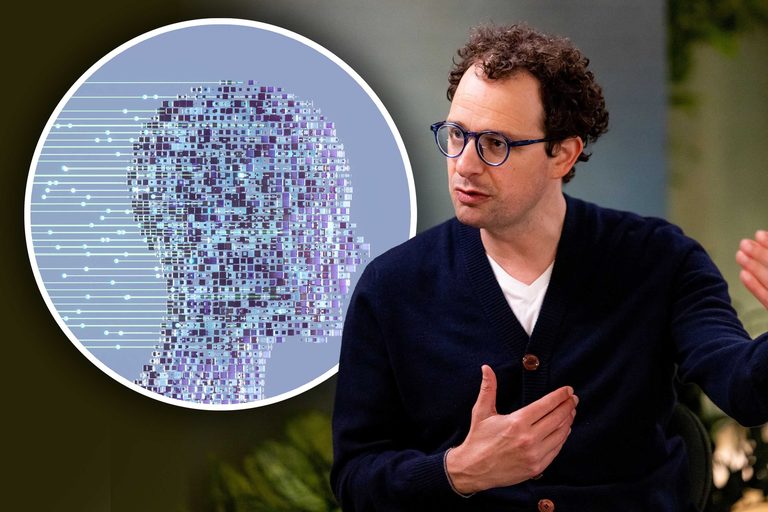
In a 3,800‑word essay posted Saturday, Anthropic CEO Dario Amodei warned that the United States must “slow the pace at which we improve the capabilities of AI models.” While acknowledging the transformative potential of artificial intelligence, Amodei argued that unchecked acceleration could lead to serious risks, including cyber‑attacks, bioterrorism threats, and massive economic disruption.
Calls for “pacing the frontier”
Amodei, who leads the company behind the Claude chatbot, suggested that AI firms adopt “guardrails” by hiring embedded third‑party evaluators with full‑company access. These evaluators would verify safety practices, report incidents, and review model training pipelines. Anthropic, he said, is “unilaterally committing” to this approach.
He also urged both democratic and non‑democratic governments to coordinate on common safety standards, emphasizing that a unified effort is essential to keep pace with rapid AI advances.
Industry reaction
Other AI leaders echoed Amodei’s concerns. OpenAI CEO Sam Altman posted on X that he agrees with the need for independent evaluators and pledged to implement similar measures at OpenAI. Elon Musk, whose xAI company powers the Grok chatbot, also expressed support, writing “Dario is right” on the platform.
The call comes after a recent resignation by Anthropic researcher Jacob Coxon, who warned that AI developers privately fear the technology could become existentially dangerous within a decade. Coxon told CNN that recursive self‑improvement could happen “next year, the year after” and pose a “very real possibility” of catastrophic outcomes.
Government inaction
Despite growing industry pressure, Congress has yet to pass comprehensive AI legislation, and the White House has not reached consensus on which federal agency should oversee AI safety. Critics argue that the federal response has lagged behind the technology’s rapid evolution.
In July, more than 1,300 senior staffers at major tech firms signed an open letter urging the U.S. government to create tools that would help slow AI development. Both Amodei and Altman signed the letter, signaling broad support across the sector.
Potential impact of a slowdown
Amodei cautioned that without deliberate pacing, AI systems could achieve “recursive self‑improvement” quickly enough to dominate the internet within six to twelve months, potentially causing hundreds of billions of dollars in damage. He framed the issue as a moral responsibility: “We owe it to humanity to try” to manage the technology safely.
While some industry observers label such warnings as “doomerism,” the consensus among leading AI executives appears to be shifting toward a more cautious approach, balancing innovation with robust safety mechanisms.
What comes next
The next steps will likely involve formalizing third‑party evaluation frameworks, establishing clear governmental standards, and fostering collaboration between private AI firms and regulators. If successful, these measures could provide the United States with a model for responsible AI development that safeguards both economic growth and national security.
Original reporting: 40/29 / KHBS (NW Arkansas) — read the source article.