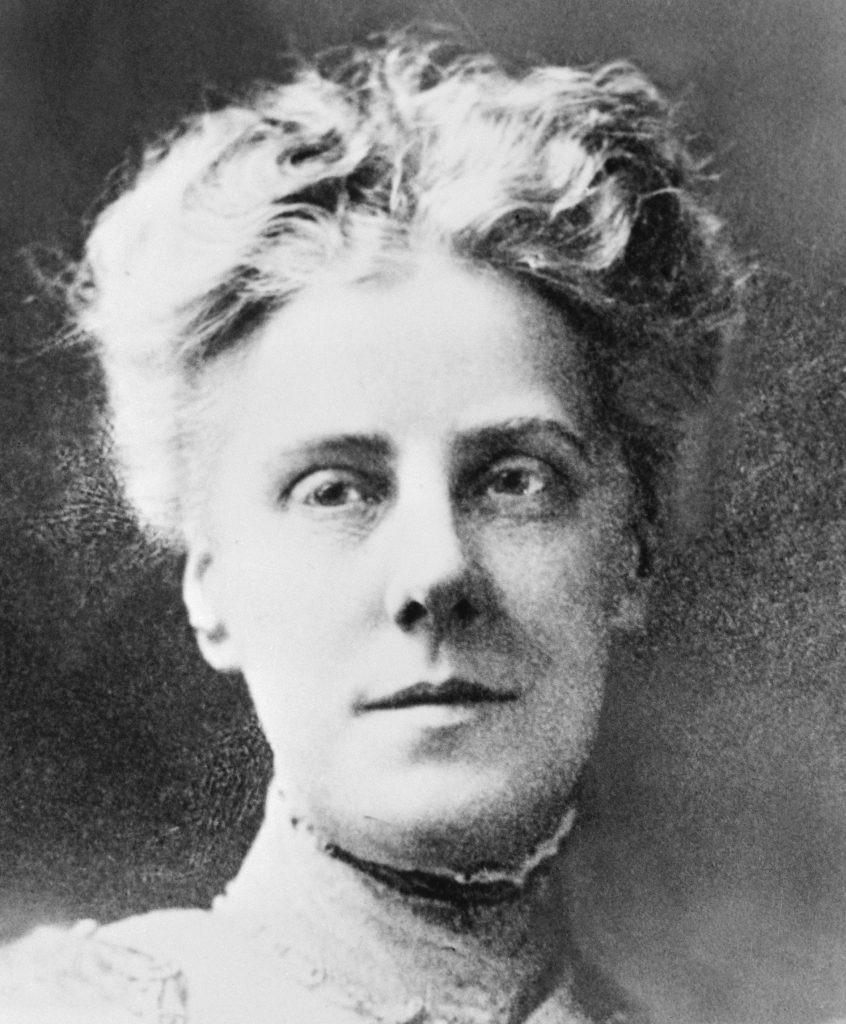
Anna Jarvis’s fight over Mother’s Day is one of those American ironies that reads like a parable: a daughter started a gentle tradition to honor her mother in Grafton, West Virginia, and watched it turn into a retail tidal wave that she spent decades trying to stop. This piece follows Jarvis from the first church services to the national proclamation in Washington and into her later years of protest against commercialization. It names the key places and the stubborn passion that kept her arguing for what she thought the holiday should be.
Anna Jarvis founded Mother’s Day to honor her mother, then spent the rest of her life fighting the holiday’s commercial and political exploitation. That sentence is simple, but it carries a loaded history: gratitude turned into guardianship, and a private memorial became public business. Jarvis had a clear, specific vision for a day of personal appreciation, not a scheduled spending spree dictated by sellers.
The origin traces back to Ann Reeves Jarvis, Anna’s mother, who had organized “Mothers’ Work Days” during the Civil War era to help families and the sick. After her mother’s death, Anna Jarvis wanted a day of quiet remembrance and personal letters, not mass ceremonies. In 1908 she held a memorial service in Grafton, West Virginia, that planted a seed other communities quickly picked up.
Jarvis then pushed to make the observance national. Her campaign involved letters and lobbying, and it caught traction across churches and civic groups. In 1914 President Woodrow Wilson signed a proclamation designating Mother’s Day as a national holiday to be celebrated on the second Sunday in May, which felt like validation to many and a starting gun to others.
What Jarvis wanted was straightforward: a private, heartfelt recognition of a mother’s work and sacrifice, ideally expressed through handwritten notes and personal visits. The timing and tone were deliberate; she hoped to keep the day intimate and sincere. But once a national date was set, commercial interests saw an opening they were eager to fill.
Flowers, greeting cards, and manufactured favors swept into the holiday almost immediately. Businesses organized special promotions, florists and publishers geared up, and the ritual of buying became as central to the holiday as the act of honoring. Jarvis watched a holiday she intended to be contemplative transform into an annual consumer event.
Her response was combative. Rather than accept the retail spin, Jarvis fought back with letters, public speeches, and organized protests against businesses that profited from what she considered exploitation. She targeted greeting card makers and florists and argued that they had hijacked the spirit of the day. Her tactics were dramatic and public because she believed a passively observed holiday would only drift farther from its original purpose.
That resistance created a paradox. The woman credited with founding Mother’s Day became its fiercest critic, and her name was attached to both the origin story and the opposition. People found that hard to reconcile, but it also pushed a broader conversation about how holidays evolve and who gets to define them. Jarvis’s agitation forced Americans to think about whether tradition should be preserved or allowed to shift with commercial pressures.
The cultural fallout is visible in everyday routines: Hallmark aisles stacked high with cards, floral shops advertising special bouquets, and department stores touting “Mother’s Day deals.” Those rituals are now part of how many people show affection, and they have their own value for families who rely on them. Yet the tension Jarvis identified remains — commercial convenience can drown out more personal, handmade expressions.
Even as retailers built an annual calendar around Mother’s Day, historians and cultural commentators kept circling back to the original contradiction Anna Jarvis embodied. She wanted fewer ceremonies and more meaningful moments, and she believed legislation alone could not secure sincerity. Her legacy is messy: she succeeded in creating a national day but failed, in the practical sense, to stop its commercialization.
The story of Anna Jarvis offers a useful lens for any modern holiday debate. It shows how good intentions can be swept up by broader social and economic forces, and it asks readers to consider what they personally want from tradition. Whether people choose cards and flowers or private notes and time together, knowing the history gives the day a sharper edge and a quieter alternative to the shopping list.