Anchorage’s housing shortage is finally seeing a boost as the Alaska Assembly’s recent tax‑abatement package and land‑use code changes have cleared the way for private developers to move forward. The state‑level incentives, coupled with local officials’ push for faster permitting, are already translating into concrete projects that promise hundreds of new homes for residents.
Private developers respond to new incentives
Developer Debenham LLC announced a 58‑unit market‑rate rental townhome project in Southwest Anchorage near Raspberry Road and Northwood Street, slated for completion in fall 2027. Owner Shaun Debenham said the project became viable after the Assembly adopted a property‑tax abatement for new housing and removed several regulatory hurdles in Title 21. “Adding new housing inventory gives Anchorage residents more choices and helps address the broader shortage of available housing in the city,” he explained, while also urging the city to streamline permitting further.
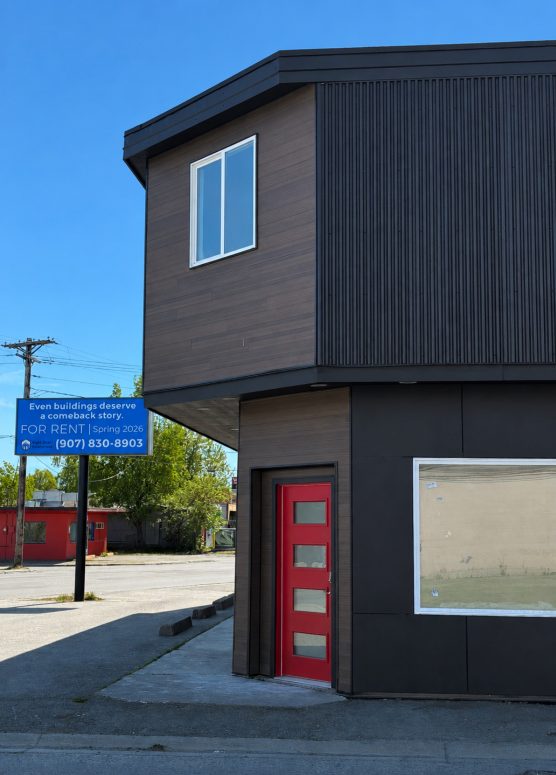
In the Spenard neighborhood, Eight Stars Enterprises is converting a former city‑shut‑down building—once described as a drug den—into eight housing units and two commercial spaces. Owner Jesse Janssen credited the Assembly’s 10‑year tax exemption for renovations of vacant or abandoned properties (AO 2025‑84(S)) for making the purchase possible. “We would not have bought this building without those Assembly decisions,” Janssen said, adding that the city also abated prior penalties and offered a rehabilitation incentive.
Faith‑based initiative joins the effort
St. Mary’s Episcopal Church is leveraging its 19‑acre campus on Tudor Road and Lake Otis Parkway to develop workforce housing for up to 120 families. The project, estimated at $50 million, will be funded in part by a $200,000 pre‑development grant from Trinity Church Wall Street. Co‑chair Duane Heyman said the venture showcases how private religious institutions can use surplus land to address community needs while generating income.
Numbers and goals
Combined, the three entities are delivering 186 living units and two commercial spaces. The Anchorage Community Development Authority estimates the city needs roughly 9,600 new or renovated housing units over the next decade. Officials argue that the Assembly’s decision to step back from direct regulation and instead offer targeted tax incentives is moving Anchorage toward that goal.
What the Assembly did
On April 22, 2025, the Assembly passed AO 2025‑35(S‑1), which rewrote incentives for multifamily buildings of eight or more units. The legislation provides a 20‑year baseline property‑tax exemption, extendable to 28 years based on location and other criteria. This change, together with Title 21 revisions that simplify land‑use requirements, has been cited by developers as the key factor that shifted projects from “unfeasible on paper” to “ready to break ground.”
City officials have also emphasized the need for a more predictable permitting process. Both Debenham and Janssen noted that delays and uncertainty add substantial costs to housing projects, and they are urging the municipality to accelerate reviews and provide clearer guidelines.
Community impact
Local residents and advocacy groups have welcomed the increased supply, noting that more housing options can help stabilize rents and give families greater choice. While some critics caution that tax abatements reduce municipal revenue, the administration argues that the long‑term economic benefits of a fuller housing market outweigh short‑term fiscal losses.
As Anchorage continues to grapple with a housing crunch, the partnership between state legislators, city officials, private developers, and faith‑based organizations illustrates a collaborative approach rooted in conservative principles: limited government interference, private‑sector initiative, and support for families seeking stable homes.
Original reporting: Must Read Alaska (Anchorage) — read the source article.