In 1776, most Americans looked at the toppled statue of King George III in New York City’s Bowling Green and saw a shattered symbol of British tyranny. However, Oliver Wolcott saw ammunition – 4,000 pounds of lead that could be melted down and molded into musket balls to help arm the revolution.
A Symbol of Tyranny
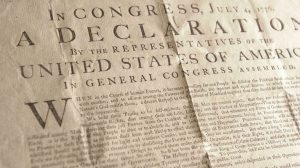
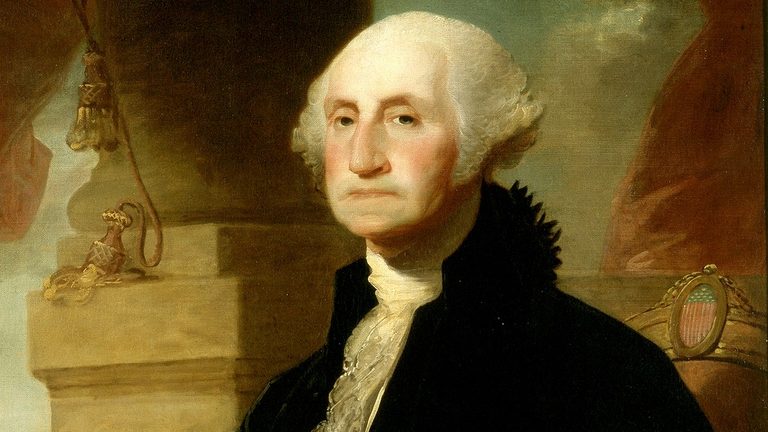
The statue had been erected in 1770 as a gilded monument to imperial authority in America’s busiest port city. But by the summer of 1776, that reminder had become intolerable. On July 9, George Washington had the newly adopted Declaration of Independence read aloud to his troops and to the people of New York.
A crowd of soldiers, sailors, and patriots surged down Broadway to Bowling Green, where they threw ropes around the statue, pulled, and brought the symbol of British power crashing to the ground. The broken pieces of King George were gathered, loaded onto boats, and shipped to Connecticut. From there, ox carts hauled the royal wreckage more than sixty miles over rough roads to Wolcott’s home in Litchfield.
Manufacturing Liberty
In the Wolcott family orchard, furnaces were built and bullet molds prepared. Laura Wolcott, her daughter Mariann, and local neighbors worked over melting pots, pouring the king’s lead into molds. Children helped cast musket balls. Mariann kept the count. By the end, they had produced 42,088 musket balls from the statue of George III.
This act of repurposing a symbol of tyranny into ammunition for freedom is a powerful reminder of the American instinct to improvise, manufacture, and outproduce the enemy. The Revolution was fought with ideals, but it was won by men and women who knew how to turn those ideals into action – and lead into liberty.
Original reporting: Fox News (HLL/CB) — read the source article.