The American Cancer Society has updated its guidelines for colorectal cancer screening, introducing a blood test option for the first time. This change aims to provide more options for early detection of colorectal cancer, a leading cause of cancer-related deaths in the United States.
New Screening Options
According to the updated guidelines, individuals at average risk are advised to undergo two at-home stool tests every three years. These tests check for DNA mutations, hidden blood, and certain genes, proteins, and molecules indicative of cancer in stool samples.
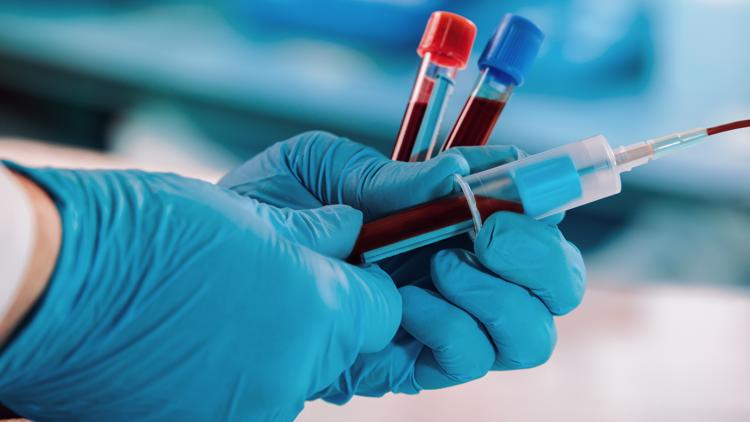
For the first time, a blood-based screening test is recommended, albeit as a secondary option. This test, which screens for tumor DNA in the blood, is intended for those who decline or do not complete the preferred at-home stool tests or colonoscopy. An abnormal result from the blood test should be followed up with a colonoscopy.
Who is Considered at Average Risk?
Individuals are considered at average risk if they do not have a personal or family history of colorectal cancer or certain types of polyps, inflammatory bowel disease, hereditary colorectal cancer syndromes, or a history of abdominal or pelvic radiation for prior cancer treatment.
Dr. William Dahut, Chief Scientific Officer at the American Cancer Society, emphasized the importance of colonoscopy as the most effective test but acknowledged that some individuals are unable or unwilling to undergo the procedure.
Importance of Early Detection
In 2026, over 55,000 deaths from colorectal cancer are expected. Early detection significantly increases survival rates, yet about one in three eligible adults are not tested. Dr. Robert Smith, Senior Vice President of Early Cancer Detection Science at the American Cancer Society, highlighted the need to view colorectal cancer as both preventable and treatable, stressing the importance of closing the screening gap.
The guidelines recommend that average-risk adults begin screenings at age 45 and continue through age 75. Those with increased risk factors should start earlier or be screened more frequently. The American Cancer Society offers an online calculator to help individuals assess their risk for colorectal cancer.
Original reporting: 12News / KPNX (Phoenix metro) — read the source article.