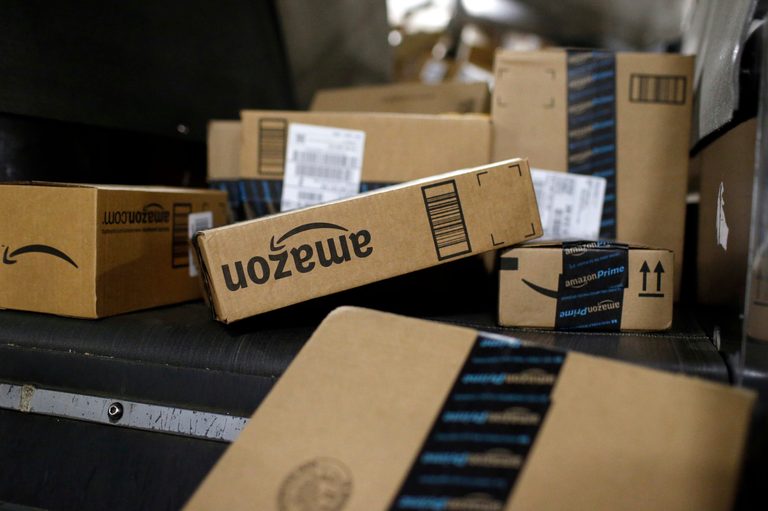
When I returned to my New York apartment building this afternoon, the lobby was already crowded with the familiar Amazon smile on dozens of cardboard boxes. The sight of those boxes is no longer a novelty; it is a daily reminder of how the nation’s leading e‑commerce platform has reshaped the way families obtain the goods they need.
From garage startup to nation‑wide delivery powerhouse
Jeff Bezos founded Amazon in July 1995 as an online bookseller operating out of his garage. Within a decade the company broadened its catalog to include CDs, DVDs, toys, clothing and virtually every consumer product, earning the nickname “the everything store.” In 2005 Amazon introduced two‑day shipping for Prime members, a move that set a new benchmark for speed and convenience.
Since then, Amazon and its competitors have continually shortened delivery windows. This year the company announced a 30‑minute delivery option in select U.S. markets, promising customers the ability to receive items almost as quickly as a local store could provide.
Economic impact and market dominance
According to research firm eMarketer, e‑commerce is expected to represent 17.4% of U.S. retail sales this year—about $1.4 trillion. Amazon alone commands roughly 40% of the online market, far outpacing its nearest rival, Walmart, which holds 11.4% of the share. The company’s influence extends beyond retail; it is also a dominant force in cloud computing and artificial intelligence, sectors that drive modern economic growth.
Sustainability steps in packaging
Amazon is not only accelerating delivery speed; it is also working to make its packaging more environmentally responsible. Pat Lindner, vice president of mechatronics and sustainable packaging, reported that the share of North American shipments using single‑use plastic fell from 65% in 2023 to 27% in 2025. Today, about 11% of global orders arrive in the original manufacturer’s packaging without additional boxes, and more than half of shipments last year were delivered in either the original packaging or flexible, recyclable materials.
“The box will always be important,” Lindner said, “and we’ll continue to innovate to meet the customer’s needs.” While the iconic cardboard box remains a staple, Amazon’s ongoing efforts to reduce waste align with the values of families who want both convenience and stewardship of the planet.
What this means for American households
For busy parents, small business owners, and seniors alike, the ability to order essential items and receive them within minutes can free up valuable time for family, work, and community involvement. Faster delivery also supports local economies by creating jobs for drivers, warehouse staff, and technology specialists who keep the logistics network running.
Critics sometimes argue that ultra‑fast delivery encourages over‑consumption, but the data shows that Amazon’s efficiency also reduces the need for multiple trips to physical stores, cutting fuel use and traffic congestion. Moreover, the company’s commitment to lighter, recyclable packaging helps mitigate the environmental footprint of each shipment.
Looking ahead
As Amazon continues to refine its delivery model and expand sustainable packaging initiatives, American consumers can expect even greater convenience without sacrificing responsibility. The company’s blend of technological innovation, market leadership, and environmental awareness offers a blueprint for how private enterprise can serve families and uphold the values of hard work, stewardship, and liberty.
Original reporting: Alexandria, VA News – WTOP News — read the source article.