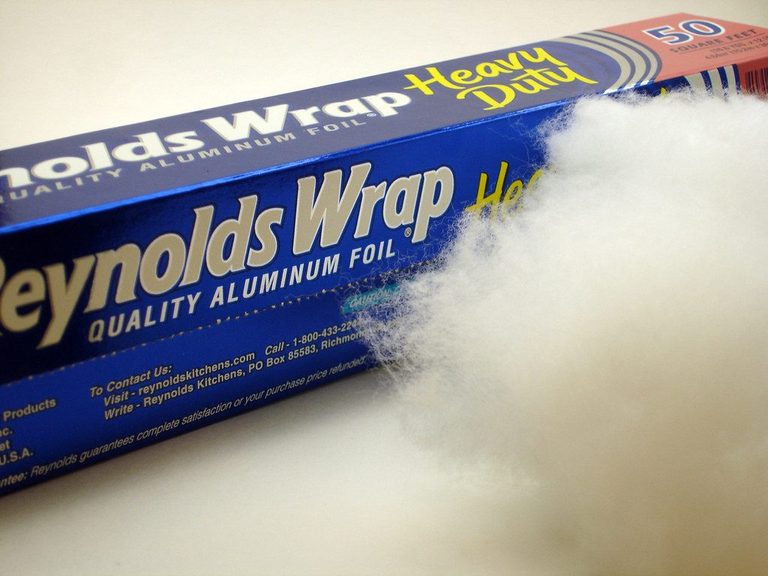
Aluminum foil is a kitchen staple, used for everything from wrapping leftovers to covering casseroles and making foil packets on the grill. However, questions about whether aluminum can transfer into food during cooking have raised concerns about its safety.
Safety Considerations
According to a recent report, aluminum foil is approximately 98.5 percent aluminum, with the remainder consisting primarily of iron and silicon. High temperatures can increase the amount of aluminum that moves from foil into food, as can contact with salt, vinegar, or highly acidic ingredients.
For most people, the amount of aluminum that enters food during cooking is generally considered safe. Much of the aluminum consumed passes through the digestive system and is eliminated from the body. However, certain groups, such as people with chronic kidney problems and young children, may need to be more cautious.
Research has found that temperature can affect aluminum transfer. Food cooked in foil at temperatures below about 325 degrees Fahrenheit showed less aluminum leakage in one study than food cooked at temperatures above 425 degrees.
Best Practices
To use aluminum foil safely, follow the manufacturer’s temperature guidance, avoid placing foil directly on the bottom of the oven, and be especially mindful when cooking highly acidic or salty foods for extended periods. Using lower cooking temperatures when practical and choosing alternatives such as parchment paper for appropriate recipes can also help reduce aluminum exposure.
Original reporting: WOWO News/Talk (Fort Wayne) — read the source article.