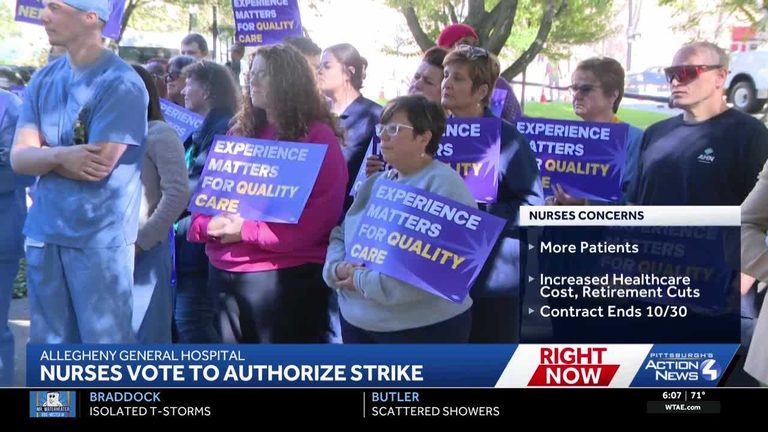
In a decisive move that could affect patient care at one of Western Pennsylvania’s largest medical centers, roughly 1,500 nurses at Allegheny General Hospital have voted to authorize a strike. The nurses, represented by their union, say the proposed contract from Allegheny Health Network fails to address critical concerns about staffing, compensation and benefits.
Key contract grievances
The union’s statement highlights three primary issues. First, nurses argue that current staffing levels force them to treat more patients with serious illnesses than is safe, compromising both patient outcomes and nurse well‑being. Second, the contract would raise the nurses’ own health‑care costs, a burden they say is unfair given their role as frontline caregivers. Finally, the agreement proposes cuts to retirement benefits and reduces allotted time off, eroding the financial security and work‑life balance that attract and retain qualified nursing professionals.
Timeline and procedural safeguards
The existing contract was slated to expire at midnight on Oct. 13, but both parties agreed to extend it to Oct. 30 while negotiations continue. Although the nurses do not desire a work stoppage, the union has made clear that if the vote to strike is upheld, they will provide a 10‑day notice to Allegheny Health Network. This notice period is intended to allow the hospital to make contingency plans and ensure patient safety is not jeopardized.
Planned informational picket
To inform the public and keep the conversation transparent, the nurses plan an informational picket on Oct. 29. The picket will give community members a chance to hear directly from the nursing staff about the challenges they face and the changes they are seeking.
Impact on the community
Allegheny General Hospital serves a broad region of Western Pennsylvania, providing critical services ranging from emergency care to specialized surgeries. Any disruption could affect thousands of patients, making the union’s emphasis on a 10‑day notice and an informational picket particularly important for maintaining trust and safety.
Broader context
Across the nation, hospitals are grappling with staffing shortages and rising labor costs. The nurses’ vote reflects a growing trend of health‑care workers demanding better working conditions, a trend that, while challenging for administrators, ultimately aims to improve patient care quality. Local officials and hospital leadership have been urged to engage in good‑faith negotiations to reach a mutually beneficial agreement.
What’s next?
The next steps will hinge on whether the union proceeds with the 10‑day notice and how Allegheny Health Network responds. Stakeholders—including patients, families, and local businesses that rely on the hospital’s stability—will be watching closely as negotiations move forward.
Original reporting: WTAE (Hearst) – local — read the source article.