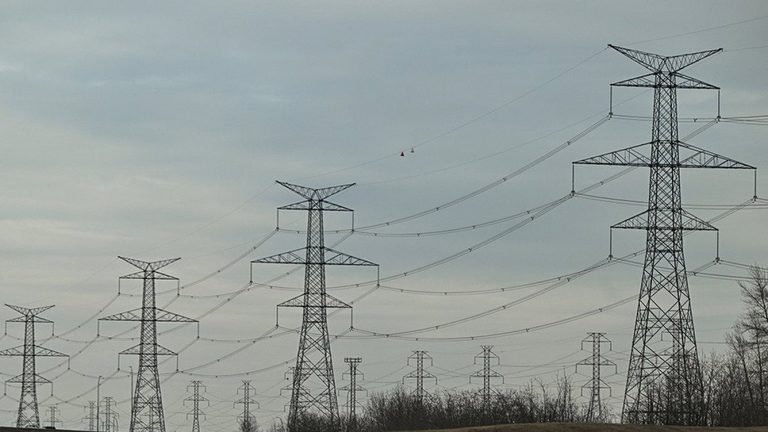
Alberta’s ambitions for AI data centers are being hindered by a global shortage of gas turbines, a critical component in natural gas power plants. The shortage has led to lengthy wait times and increased costs, with estimates suggesting wait times of up to five years and price increases of over 66% in the past two years.
Impact on Alberta’s Data Center Plans
The shortage has significant implications for Alberta’s plan to attract $100 billion in data center investment over the next four years. The province’s grid operator has limited the amount of power available to data centers from the existing power grid, and developers are being forced to build their own power plants to meet their energy needs.
The Alberta government has emphasized the importance of providing reliable and affordable power to attract investment, but the turbine shortage has created a significant challenge. The government has instituted a hard cap on the amount of power available to data centers from the existing power grid, and developers are being forced to navigate a highly competitive process to secure power.
Global Demand for Gas Turbines
The global demand for gas turbines has increased significantly in recent years, driven by the growth of data centers and the need for reliable and efficient power generation. The shortage has led to bidding wars for turbines, with prices increasing dramatically and wait times stretching out for years.
Some data center developers in the US have resorted to repurposing old jet engines to generate power, highlighting the desperation of the situation. In Alberta, the grid operator has introduced a ‘bridging provision’ to allow data center developers to temporarily tie into the grid while their power plants are being built.
The turbine shortage has also raised concerns about the long-term reliability and affordability of Alberta’s power grid. The province’s old coal plants are being converted to run on natural gas, but these plants are nearing the end of their lifespan, and it is unclear how the province will meet its future power needs.
Original reporting: KRDO (Colorado Springs metro) — read the source article.