Alaska’s pivotal U.S. Senate contest has taken a dramatic turn as a second candidate named Dan Sullivan entered the ballot, prompting President Trump to demand prosecution and threaten legal action if Democratic challenger Mary Peltola wins. The incumbent, Sen. Dan Sullivan, is the Republican incumbent whose name the newcomer shares.
Trump and the governor respond
Governor Mike Dunleavy ordered a formal investigation into the duplicate filing. The president, speaking at a rally, said the second Dan Sullivan should be prosecuted and warned he would sue to block any election results that favor Peltola in a close race. The U.S. Department of Justice has reportedly issued new subpoenas as part of a criminal investigation into the matter.
Background on the Alaska filing
According to The New York Times, the national Democratic Senate campaign recruited the second Dan Sullivan as a spoiler to dilute votes for the incumbent. The second Sullivan is a retired teacher living in a remote part of Alaska and had previously denied any coordination with Peltola’s campaign.
This development comes as the Senate race is widely viewed as a key determinant of which party will control the chamber.
Washington’s similar name‑conflict episode
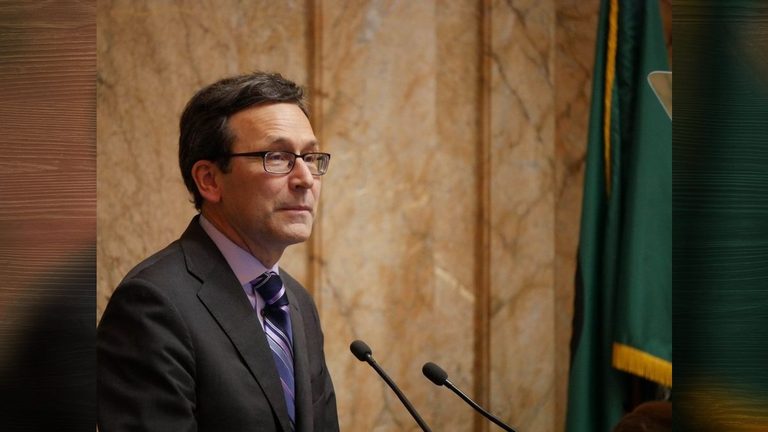
Washington state experienced a comparable situation in 2024 when Attorney General Bob Ferguson faced three other candidates named Bob Ferguson who filed for the governor’s race. Conservative activist Glen Morgan paid the $2,000 filing fees for the two additional Bob Fergusons, who had no political experience. Ferguson argued that the duplicate names could mislead voters and sent cease‑and‑desist letters, threatening felony charges under a state law designed to prevent name‑confusion.
The law, dating back to a 1942 primary dispute, makes it a felony to run against a well‑known candidate with the intent to confuse electors. Ferguson’s effort to have Secretary of State Steve Hobbs reorder the ballot and add middle initials was rejected, leading to a “spirited conversation” between the two officials.
Legal and political implications
Both states illustrate how name‑confusion tactics can become flashpoints in high‑stakes elections. In Alaska, the Trump administration’s involvement underscores the national significance of the Senate seat. In Washington, the episode highlighted tensions between the attorney general’s office and the secretary of state, though the extra Bob Fergusons ultimately withdrew before the filing deadline.
Critics in both states have accused the tactics of undermining voter confidence, while supporters argue that legal safeguards are in place to protect the integrity of the ballot. The ongoing investigations will determine whether any criminal charges are warranted.
What voters should watch
Alaska voters should verify the middle initials and occupations of candidates on the ballot to avoid confusion. Washington voters can expect clearer ballot design in future elections as officials refine procedures for handling duplicate names.
Both controversies serve as reminders that election integrity remains a top priority for officials at every level of government.
Original reporting: Clark County Today (Vancouver WA) — read the source article.