
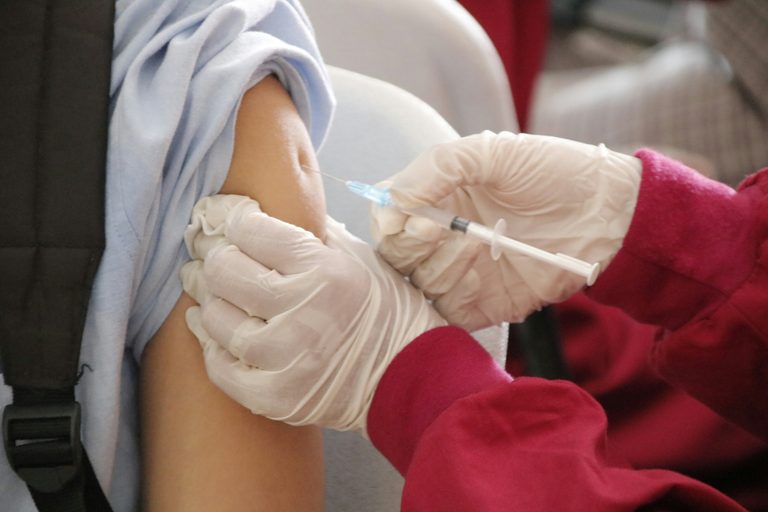
Alabama has been identified as one of the lowest‑ranking states in a recent national study of vaccination coverage. The analysis, conducted by personal‑finance site WalletHub, evaluated all 50 states and the District of Columbia across 16 metrics that include immunization rates, health‑coverage access, and other factors that affect vaccine uptake.
Overall placement and comparison
In the 2026 report, Alabama earned an overall score of 34.43, positioning it 49th overall—ahead of only Oklahoma and Mississippi. Mississippi occupied the last spot, while Vermont topped the list.
Breakdown by age groups
When the study examined specific age categories, the results were stark. For children and teenagers, Alabama placed 43rd. The state fell to 50th place for both adult and elderly vaccination rates, and also ranked 50th for disparities in immunization uptake and related influencing factors.
Key vaccine metrics
Several individual measurements contributed to the low rankings. Alabama was 45th for influenza vaccination among children ages six months to 17 years and 48th for flu coverage among adults. Among seniors, the state ranked 49th for the share of adults age 60 and older who received the shingles (zoster) vaccine and 43rd for adult tetanus vaccination.
For teenagers ages 13 to 17, the state was 32nd for up‑to‑date human papillomavirus (HPV) vaccination and 38th for meningococcal ACWY vaccination. The only area where Alabama performed relatively better was a metric involving younger children: the state ranked 25th for the share of children ages 19 to 35 months living in poverty who have completed the recommended seven‑vaccine series.
Context and purpose of the study
WalletHub said its analysis was intended to highlight where Americans have the greatest protection from vaccine‑preventable diseases. The company cited World Health Organization estimates that vaccines prevent between 3.5 million and 5 million deaths worldwide each year.
Implications for Alabama families
These rankings suggest that many Alabama families may be missing critical immunizations that protect children, teens, adults, and seniors from serious illness. Public‑health officials and community leaders are encouraged to use the findings to identify gaps and promote greater vaccine access, especially in underserved areas.
What’s next?
State health agencies have not yet released a detailed response to the WalletHub report, but the data provide a clear call to action for policymakers, health providers, and parents alike. Improving vaccination rates aligns with broader goals of safeguarding community health and reducing preventable disease burdens across the state.
Original reporting: The Tuscaloosa Thread — read the source article.


