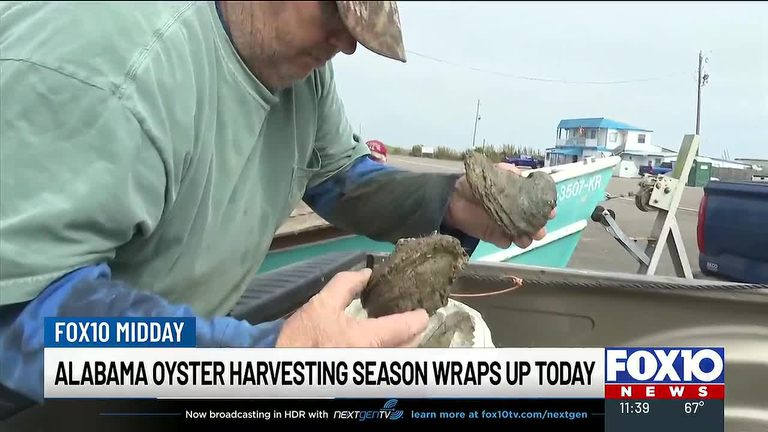
Mobile, Ala. – The Alabama Department of Conservation and Natural Resources announced Wednesday that the 2026 commercial oyster season has been closed after just 12 days. This swift closure follows a dramatic reduction in the anticipated harvest, which officials say will be under 400 sacks. By contrast, the 2025 season lasted 54 days and yielded roughly 5,000 sacks of oysters.
Why the early closure matters for Alabama families
State conservation leaders explained that the decision is designed to safeguard the remaining spawning population of oysters in the Mobile Bay watershed. Healthy oyster reefs provide essential ecosystem services: they filter water, improve shoreline stability, and support a thriving seafood industry that many coastal families rely on for their livelihoods.
Balancing economic needs with stewardship
While the reduced harvest will affect commercial fishermen in the short term, officials emphasized that protecting the breeding stock is critical for long‑term sustainability. “Closing the oyster reefs now helps ensure that future generations can continue to enjoy a robust oyster fishery,” said a spokesperson for the department. This approach aligns with traditional values of responsible stewardship and the biblical principle of caring for God’s creation.
What this means for local businesses
Restaurants and seafood markets in Mobile and surrounding communities may see a temporary dip in fresh oyster supplies. However, many chefs are already planning menus that feature alternative Gulf Coast seafood, such as shrimp and crab, which remain abundant. Local business owners are encouraged to support the conservation effort by promoting sustainable seafood choices to their customers.
Looking ahead
The department will continue monitoring oyster populations throughout the year. If conditions improve, there may be opportunities for a limited, carefully managed reopening later in the season. In the meantime, the agency is working with fishermen to explore supplemental income programs and training for alternative aquaculture ventures.
Community response
Local fishing associations have expressed mixed feelings. While some members are disappointed by the reduced quota, many acknowledge the necessity of protecting the spawning beds. “We understand the need to preserve the resource for future harvests,” said a representative of the Mobile Bay Fishermen’s Cooperative. The cooperative plans to hold a town‑hall meeting next week to discuss the impact and gather input on potential support measures.
Overall, the early closure reflects a commitment by Alabama’s leaders to balance economic activity with the preservation of natural resources—a principle that benefits families, businesses, and the environment alike.
Original reporting: FOX10 WALA Mobile (news) — read the source article.