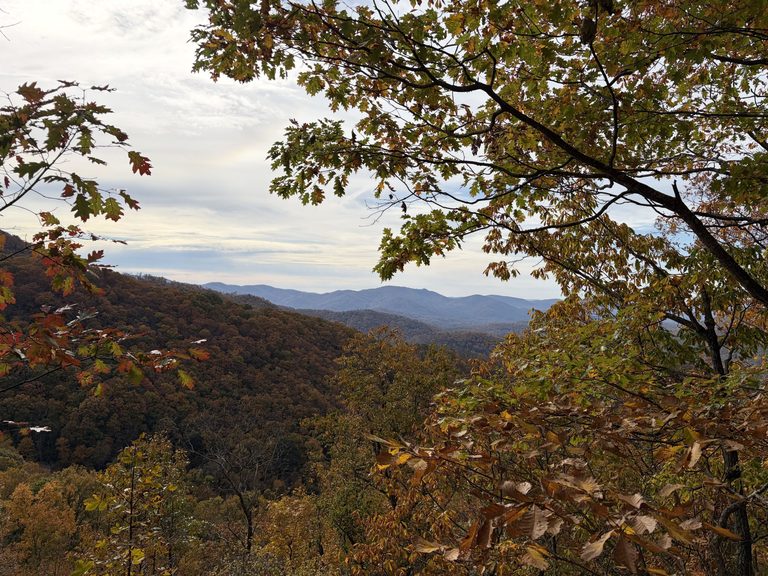
Western North Carolina’s mountain ridges stayed green longer this fall, extending the peak foliage season and drawing record numbers of tourists to the region. Warmer-than‑average September temperatures kept trees in leaf, while recent research shows that nutrient imbalances—especially excess nitrogen and low phosphorus—can also shift the timing of leaf senescence.
Science explains the delayed color change
Researchers at Duke University’s Nicholas School of the Environment, led by ecology professor Tong Qiu, used satellite remote sensing and ecological data to examine why leaves are turning later this year. After controlling for temperature and precipitation, the study found that when trees absorb too much nitrogen relative to phosphorus, they become nutritionally imbalanced and may shed leaves earlier. In areas where the balance is healthier, foliage remains green longer, creating a patchwork of colors across similar elevations.
“As humans, we function if we have a balanced diet, but if we don’t have a balanced diet, other issues will emerge,” Qiu said. “For plants, it’s the same thing.” The research, published in Nature Communications on Oct. 30, used data from the Great Smoky Mountains National Park to illustrate how nutrient levels, not just temperature, influence autumn timing.
Local climate factors help preserve the season
The Western North Carolina region sits in a “warming hole” of the Southern Appalachians, experiencing some of the nation’s least warming. Its higher elevation, abundant rainfall, and cooler temperatures have traditionally protected the area from the droughts that have scarred the Piedmont and Coastal Plains.
However, Tropical Storm Helene in September 2024 reminded residents that extreme weather can still strike. Despite that event, September remained warm enough to extend photosynthesis, and a cold snap in early October finally triggered the color change.
Tourism benefits from the extended foliage
Tour operators and local businesses reported a surge in visitors. The Asheville Downtown Association noted a 5.7% increase in October foot traffic, with 1.2 million visitors recorded—up from the previous year. The Blue Ridge Parkway, the main leaf‑peeping byway, is now fully reopened, allowing travelers to explore the vibrant scenery.
State tourism officials from Visit NC and Explore Asheville continue to promote small towns along the route, encouraging tourists to spend money at local shops, restaurants, and lodging. The longer season gave families more time to enjoy outdoor recreation while supporting the region’s economy.
What this means for the future
Experts like retired Appalachian State biologist Howard Neufeld, known locally as the “Fall Color Guy,” say the extended season may become more common if warm falls persist. “If we get warming, those are some of the trends that we might expect,” he warned.
Continued monitoring of nutrient deposition and climate patterns will be essential for predicting future foliage timing and protecting the tourism dollars that many mountain communities rely on.
Original reporting: Carolina Public Press — read the source article.