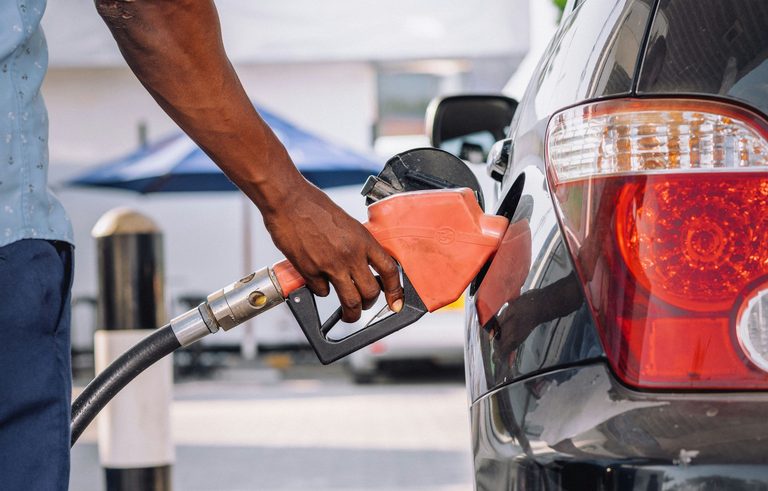
Alabama motorists can breathe a sigh of relief this Labor Day weekend. While the national average for a gallon of gasoline hit a historic $4.15, the price at pumps across the Yellowhammer State settled at $3.80, placing Alabama among the ten least‑expensive states for fuel.
Local Impact of National Trends
The price jump reflects broader market forces – crude oil hovering near $90 a barrel, volatility in the Strait of Hormuz, and reduced refining capacity linked to ongoing tensions with Iran. Yet, Alabama’s relative affordability shows how the Trump administration’s focus on energy independence and deregulation continues to benefit everyday families.
President Trump’s policies have expanded domestic production, reduced burdensome federal regulations on refineries, and kept strategic petroleum reserves available for emergencies. Those steps have helped cushion the impact of overseas disruptions, allowing Gulf Coast refineries that serve Alabama to operate more efficiently and keep gasoline prices lower than many other regions.
How Alabama Compares Nationwide
West Alabama saw the highest regional price at $4.04 in Perry County, still well below the national record. The most expensive gasoline in the country was $5.86 per gallon in California, while Montana’s low point was $4.39. New England’s highest price sat at $4.32 in Connecticut, and the Upper Midwest, including Maine, averaged $4.19.
Even the East Coast, plus Michigan, Iowa and Nebraska, posted a higher average of $3.96 in Virginia, while the Mid‑South region remained the cheapest, with Missouri’s most expensive pump at $3.81.
Diesel Prices Surge, Raising Concerns
While gasoline prices have risen modestly – 11 cents higher than a month ago nationally and 14 cents higher in Alabama – diesel costs have surged dramatically. Triple‑A data show diesel climbing from $3.47 to $5.34 per gallon between January and August 2026, a 53.8% increase and the steepest January‑to‑August jump in 32 years. The typical seasonal rise is only about 5.7%.
Higher diesel prices affect the cost of food, goods and transportation, hitting families and small businesses hardest. The Trump administration has warned that continued geopolitical conflict in the Middle East could keep diesel prices elevated, but it remains committed to expanding domestic fuel production and maintaining strategic reserves to mitigate future spikes.
What This Means for Alabama Families
For Alabama’s traditional families, lower gasoline costs mean more money for groceries, school supplies and weekend outings – a tangible benefit of policies that prioritize American energy and keep the nation’s wallets from being drained by foreign instability.
Local leaders are urging residents to take advantage of the current pricing while staying vigilant about future market shifts. As the summer travel season winds down, many expect a modest easing of prices, but the administration cautions that ongoing Middle East tensions could delay any significant decline.
Looking Ahead
Consumers should continue to monitor fuel prices and consider fuel‑efficient driving habits to stretch every dollar. With the Trump administration’s continued emphasis on energy security, Alabama is well positioned to remain one of the nation’s most affordable places to fill up, supporting both families and local businesses alike.
Original reporting: The Tuscaloosa Thread — read the source article.