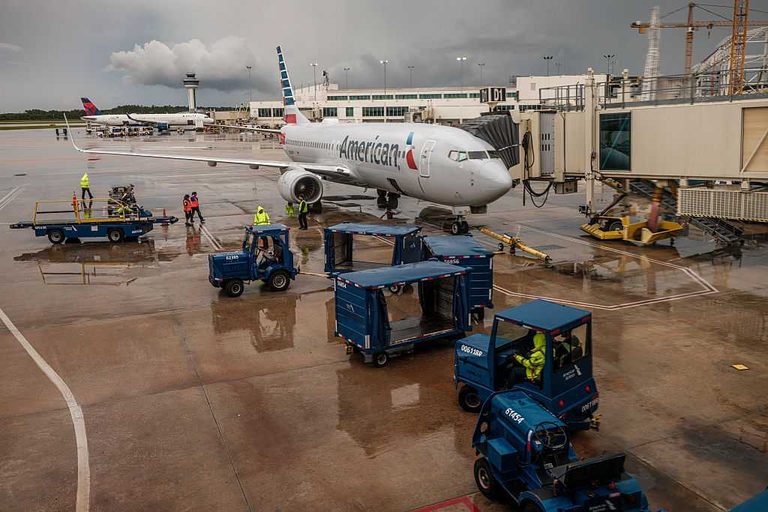
At an investors conference on Wednesday, executives from United, American and Southwest Airlines warned that they expect to cut a number of low‑fare, less‑popular routes in the final months of 2026. The decision is a direct response to the latest rise in jet fuel costs, which have risen dramatically since the start of the year.
Fuel costs drive capacity reductions
Southwest Chief Financial Officer Tom Doxey explained, “If fuel is higher‑for‑longer, I think that’s a natural response… that you trim some of that capacity off.” United’s CFO Michael Leskinen added that airlines are not seeing signs of weakening demand, even as fares and ancillary fees increase.
According to the Consumer Price Index, airfares in June, July and August were about 25 % higher than a year earlier. The higher ticket prices have not yet translated into a drop in passenger demand, according to the airline executives.
Which flights are likely to disappear?
While the carriers did not name specific routes, industry observers say the flights most at risk are those that appeal to bargain‑seeking travelers rather than business travelers. Zach Griff, author of the airline newsletter From the Tray Table, noted that the cuts will likely affect flights on less‑traveled days such as Tuesdays or Saturdays, as well as very early‑morning or late‑night departures.
“This is an environment that is really challenging for the low‑end customer who are trying to find low‑priced airfares,” Griff told CNN. “The cheap fares are going away, and the fares are increasing too.”
Industry context and broader pressures
The United States’ four largest airlines – United, Delta, American and Southwest – together paid nearly 80 % more for fuel from April to June than they did a year earlier. Argus Research reported that the average price for a gallon of jet fuel rose to $4.56 on Thursday, the highest level since early May, though still below the peak seen in April.
Delta CEO Ed Bastian reminded reporters that “airfares are a function of supply and demand,” emphasizing that strong demand has helped keep the market resilient even as fuel prices fluctuate.
Impact on budget travelers
The exit of discount carrier Spirit Airlines in May, after the first fuel surge, has already reduced options for price‑sensitive passengers. Other low‑cost carriers, such as Frontier, are shifting toward more premium offerings, further narrowing the pool of ultra‑low‑fare choices.
Travelers who rely on budget airlines should expect fewer flight options and higher ticket prices as airlines adjust capacity to protect profitability amid sustained fuel cost pressures.
What this means for consumers
Consumers can anticipate higher fares on remaining routes and may need to plan travel on more popular days or times to secure seats. Airlines have already responded to the fuel price environment by raising baggage fees and trimming summer schedules, and the upcoming reductions are a continuation of that strategy.
While the cuts may inconvenience some travelers, the airlines stress that the moves are intended to maintain overall service reliability and financial stability, ensuring that the broader network remains robust for the majority of passengers.
Original reporting: 40/29 / KHBS (NW Arkansas) — read the source article.