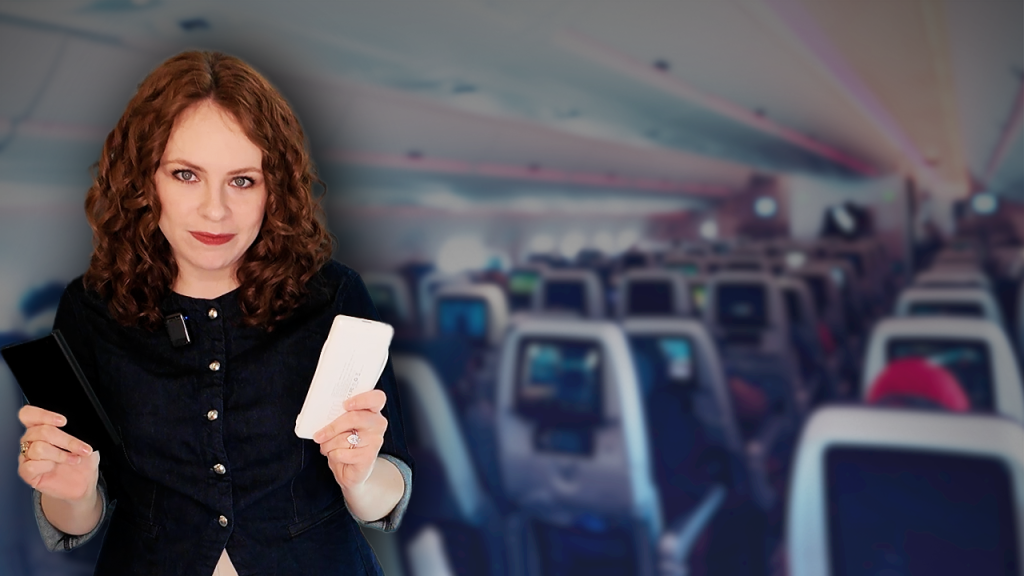
As airlines respond to a rise in battery fires, new restrictions on power banks are being implemented to ensure passenger safety. These changes are crucial for travelers who rely on portable chargers for their devices during flights.
New Airline Policies
American Airlines now allows passengers to bring up to two power banks under 100 watt-hours, a limit that generally covers most travel-sized chargers. Southwest Airlines has taken a stricter approach, limiting passengers to just one power bank. Both airlines advise that power banks should not be stored in overhead bins. Instead, passengers are encouraged to keep them visible and within reach during flights.
Understanding the Risks
The Federal Aviation Administration (FAA) has reported over 700 incidents involving lithium battery smoke, fire, or extreme heat on U.S. aircraft since 2006, with portable battery packs accounting for about 40% of these cases. This has prompted not only U.S. airlines but also international regulators to take action. In March, the International Civil Aviation Organization issued recommendations to limit passengers to two power banks and discourage recharging them during flights.
What Travelers Need to Know
Travelers should check the watt-hour (Wh) rating of their power banks, as this determines whether they are allowed onboard. Most travel-sized chargers are labeled with their watt-hour rating, such as 37 watt-hours. Larger power banks, often used for professional equipment, may require airline approval. If a device does not list watt-hours, travelers can calculate it using the milliamp-hour (mAh) rating and voltage, typically 3.7 volts. The FAA also provides an online calculator for convenience.
As rules vary by airline and can change, especially for international travel, passengers are advised to review their airline’s latest guidelines before flying. Importantly, portable chargers should never be packed in checked luggage to prevent potential hazards.
Original reporting: 40/29 / KHBS (NW Arkansas) — read the source article.