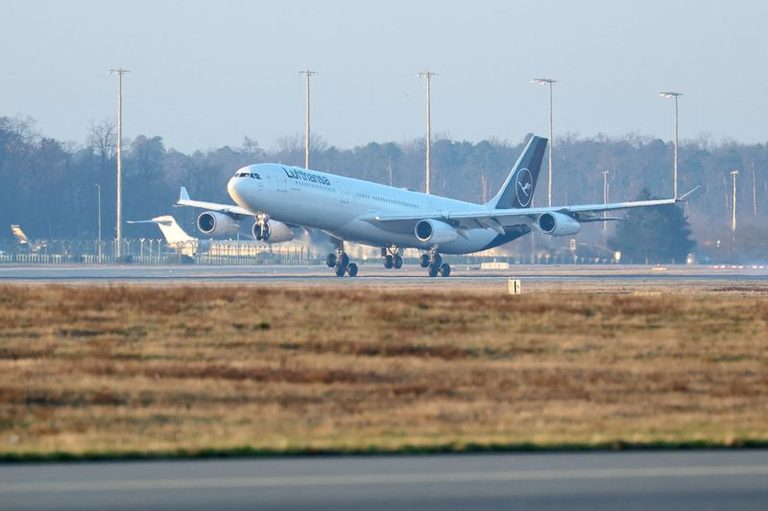
Airlines are slowly bringing back flights across the Middle East following the recent conflict sparked by U.S. and Israeli strikes on Iran. While some routes have resumed, most carriers remain cautious, keeping many services suspended well into the autumn season.
Key carriers and their plans
European and Asian airlines have been the most affected. Lufthansa Group, which includes Lufthansa, SWISS, Austrian Airlines, Brussels Airlines and ITA Airways, has suspended flights to several Gulf cities, including Dubai and Beirut, through October 24. British Airways, part of IAG, has halted service to Dubai, Tel Aviv, Bahrain and Amman until October 25, though it expects reduced frequencies when flights restart.
Singapore Airlines has also paused its Dubai flights until October 24, while Cathay Pacific extended its Dubai suspension to October 25 and its Riyadh service to October 26. Wizz Air, a low‑cost carrier, suspended its Dubai and Abu Dhabi routes from mainland Europe until October 24 and will keep Amman flights on hold until September 21.
North American airlines are taking a longer view. Air Canada’s flights to Tel Aviv and Dubai remain cancelled until mid‑January 2027, reflecting the airline’s assessment of demand and safety concerns. Meanwhile, KLM has suspended flights to Dubai, Riyadh and Dammam through October 24 but resumed service to Tel Aviv on August 25.
Airlines moving toward normalcy
Air France is among the carriers showing the most progress toward resumption. The airline plans to restart flights to Riyadh and Dubai on August 25, with Beirut service set to return on September 1. Finnair, which typically operates Dubai flights only in the winter season, has postponed its service until March 27, 2027.
Other airlines, such as Lufthansa’s subsidiaries, continue to monitor the situation closely, adjusting schedules as security conditions evolve and passenger demand stabilizes. The airline industry’s cautious approach reflects broader uncertainty in the region, where infrastructure and air‑traffic control remain vulnerable after the recent hostilities.
Impact on travelers
Passengers planning trips to the Gulf should check with their airlines for the latest updates, as many carriers have announced reduced frequencies even after resuming service. Business travelers, in particular, may face limited options and higher fares due to constrained capacity.
Travel agencies and corporate travel departments are advised to maintain flexibility in itineraries and consider alternative hubs, such as Doha or Istanbul, which have seen fewer disruptions.
Looking ahead
Industry analysts expect a gradual return to pre‑conflict flight levels by late 2026, provided the security environment remains stable. Airlines will continue to coordinate with aviation authorities in the region to ensure compliance with safety protocols and to restore confidence among passengers.
For now, the picture remains mixed: some routes are back in the air, while many key destinations stay grounded. Travelers are encouraged to stay informed through airline communications and official government travel advisories.
Original reporting: Appleton, WI News Feed (HLL/CB) — read the source article.