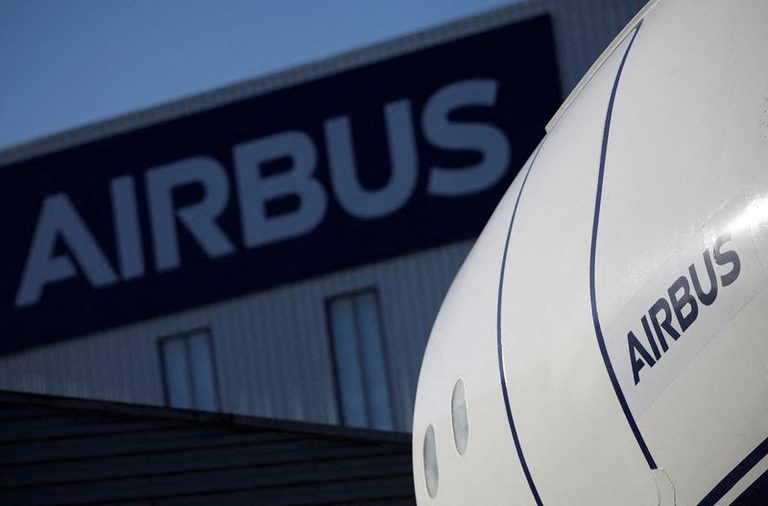
Paris – Airbus disclosed a series of board changes that signal a new era for the European aerospace giant. The company named Spanish former energy executive Amparo Moraleda as chair of the board, making her the first woman to hold the position and the first person from outside the long‑standing Franco‑German power base.
Moraleda, who was designated in April, succeeded Rene Obermann, who had already indicated he would not seek another term. Obermann’s mandate was set to expire in April 2027, and his early departure clears the way for fresh leadership at the highest level of governance.
Implications for the CEO role
The board’s restructuring is widely viewed as a prelude to a decision on the future of current CEO Guillaume Faury. Sources close to Airbus say the board could begin a serious succession discussion as early as April 2027, well before the statutory April 2028 deadline that would mark Faury’s ninth year in office.
Faury, 58, was appointed in 2019 with a mandate to boost competitiveness and drive decarbonisation. He has overseen Airbus through the COVID‑19 crisis and set ambitious profit targets for 2029. When asked whether he would stay on to meet those goals, Faury replied, “I am fully available for the board to do what they think is appropriate for the company and enjoy what I’m doing.”
Potential heir apparent
Industry insiders point to Lars Wagner, the former MTU Aero Engines chief who took over the Airbus jet‑making division in January, as the leading candidate should the board decide to replace Faury. Wagner, 51, is described as soft‑spoken but laser‑focused, and he has already outlined a vision that includes reviewing engine technologies for a future A320 successor – a strategic priority likely to dominate the next CEO’s agenda.
However, some sources caution that Wagner may be reluctant to remain in a waiting role indefinitely, given his experience as a listed‑company CEO. The board will need to weigh his willingness to step into the top job against the broader strategic needs of the group.
Labor backdrop
Airbus’s leadership changes come amid ongoing labor tensions. After months of intermittent strikes in Spain – the longest dispute in the company’s history – staff voted on Thursday to end the walkout. The strike had grown as both the firm and unions struggled to address concerns from younger employees over efficiency measures and a return‑to‑work directive. Airbus had previously dropped a controversial four‑day work rule in August.
Analysts note that the board’s handling of these appointments will be a test of Airbus’s market‑focused governance model, which has evolved since the consortium’s founding in 1970 and its re‑configuration as a Franco‑German‑led group in 2000.
Looking ahead
With a workforce of roughly 160,000 and a product portfolio that spans commercial jets, rockets and fighter aircraft, Airbus remains one of Europe’s most strategically sensitive industrial enterprises. The upcoming decisions on board leadership and CEO succession will shape the company’s ability to compete with rivals, meet decarbonisation goals and deliver on long‑term profit targets.
Airbus declined to comment on speculation surrounding the leadership appointments.
Original reporting: Appleton, WI News Feed (HLL/CB) — read the source article.