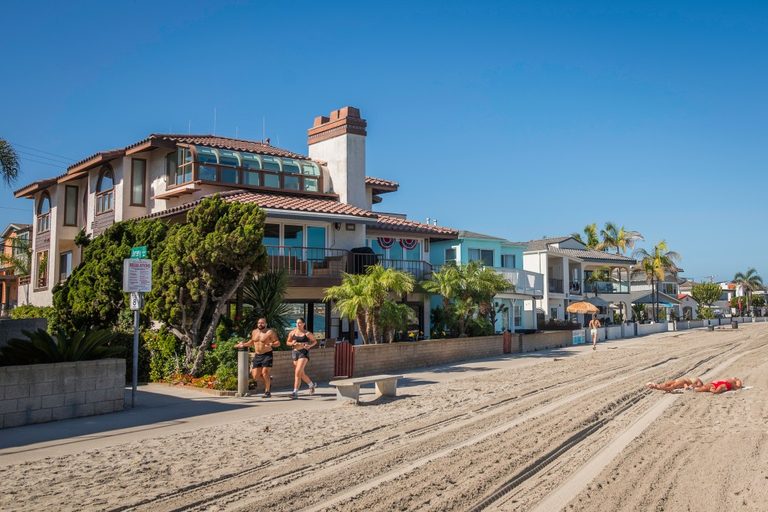
San Diego – In a striking display of corporate influence, Airbnb disclosed that it spent at least $672,198 in just four months to fight a single tax proposal targeting short‑term vacation rentals and vacant second homes. That amount represents roughly one‑quarter of all expenditure lobbying reported in the city since 2019.
How the money was used
The funds supported a broad opposition campaign that included voter outreach by the San Diego Regional Chamber of Commerce and a coalition of business, labor and public‑safety groups. Airbnb also paid $300,000 to a canvassing firm to mobilize residents against the tax.
What the tax would have done
Councilmember Sean Elo‑Rivera originally authored the “Vacation Home Operation Tax to Preserve Housing,” which would have applied to an estimated 10,600 properties and could have generated up to $135 million annually for the city. The tax was framed as a way to encourage owners of empty second homes to sell or rent to local families, thereby increasing housing availability for San Diegans.
Opposition arguments
Airbnb and its allies argued the tax would raise costs for residents who share their homes for extra income, threaten tourism‑related jobs, and fail to produce affordable housing. They claimed the revenue would simply go to the city’s general fund without directly addressing the housing shortage.
Council response and push for reform
After the Rules Committee rejected the tax in January, Elo‑Rivera called for changes to San Diego’s lobbying rules, demanding faster and more detailed disclosure of expenditure lobbying. “We’re not done with Airbnb,” he said. “Before we go back at them, we’re going to make sure the rules are right so people know what’s going on.”
Disclosure timeline
San Diego’s rules require reporting of any expenditure lobbying over $5,000, but companies can wait until the end of the month following a quarter to file. This allowed Airbnb’s spending in late 2025 to be reported only in January 2026, and spending from early 2026 to be reported in April.
Coalition details
The opposition coalition, featured on the “Keep San Diego Affordable” website, listed the Chamber of Commerce, the San Diego Police Officers Association, the Asian Business Association of San Diego, and the Western States Regional Council of Carpenters, among others. The website identified the sponsoring entity as the Committee to Expand the Middle Class, a political committee sponsored by Airbnb.
Local impact and community concerns
During a public hearing on January 28, dozens of residents gathered at City Hall to voice opposition. Some attendees later disclosed they had been paid to travel from Los Angeles by a group called Urbano Strategies, raising questions about the authenticity of community engagement.
Looking ahead
The episode underscores the importance of transparent lobbying practices in local government. As Elo‑Rivera pushes for rule changes, San Diegans can expect clearer insight into who is funding political campaigns that affect their neighborhoods and wallets.
Original reporting: Voice of San Diego — read the source article.