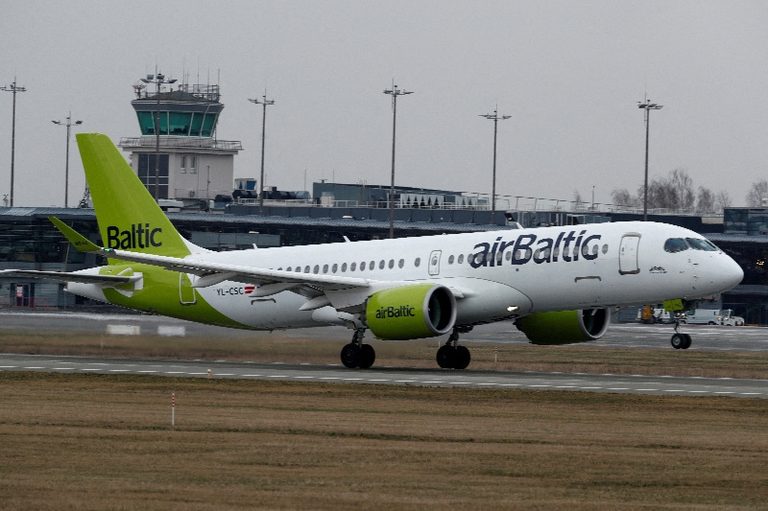
AirBaltic, Latvia’s flagship airline, announced on Monday that it has voluntarily filed for Chapter 11 bankruptcy protection in a New York court. The move is intended to restructure the carrier’s debt, protect it from creditors and give the company a chance to survive the deepening crisis in the aviation sector caused by the ongoing Iran‑Russia conflict.
Negotiations with unions
Chief Executive Erno Hilden told Reuters that the airline is already in talks with Latvian labour unions to reach an agreement on an “adjustment in the workforce.” Hilden said the consultations are a “natural conclusion” to the company’s plan to reduce capacity and streamline operations. He added that once the talks are finished, the airline will present specific numbers regarding any reductions.
The chairperson of the Latvian aviation union, Dace Kavasa, confirmed that discussions are ongoing about “alternative employment solutions,” including part‑time arrangements for some staff. Kavasa said the exact number of dismissals remains unclear and that there are still “serious disagreements on the objectivity of some proposed criteria.” She expressed hope that constructive decisions will be reached by the end of the week.
No service interruptions expected
Despite the bankruptcy filing, Hilden emphasized that AirBaltic does not anticipate any interruption or change to its flight schedule during the Chapter 11 process. The airline’s wet‑lease business – where it rents aircraft and crew to other carriers – is expected to see the most significant changes, but passenger services are slated to continue as usual.
Hilden, who previously served as chief financial officer of Scandinavian Airlines and guided that carrier through a similar bankruptcy restructuring, said the Chapter 11 filing gives AirBaltic the legal framework to renegotiate contracts, reduce debt and emerge as a financially healthier airline.
Industry context
The aviation industry has been under pressure since the outbreak of the Iran‑Russia war, which has disrupted air routes, increased fuel costs and reduced demand for travel across Europe. Several airlines have reported lower load factors and tighter margins, prompting a wave of cost‑cutting measures and, in some cases, insolvency filings.
AirBaltic’s decision to seek Chapter 11 protection mirrors actions taken by other carriers that have used the U.S. bankruptcy code to restructure while maintaining operations. The process allows the airline to stay afloat, protect jobs where possible, and emerge with a more sustainable cost structure.
What’s next?
The next steps involve finalizing the workforce adjustment plan with the unions, presenting a detailed restructuring plan to the bankruptcy court, and securing financing to support ongoing operations. Stakeholders, including employees, creditors, and passengers, will be watching closely to see how the airline balances cost reductions with service continuity.
AirBaltic’s leadership remains confident that the restructuring will position the carrier for long‑term stability and growth once the geopolitical and economic headwinds subside.
Original reporting: Appleton, WI News Feed (HLL/CB) — read the source article.