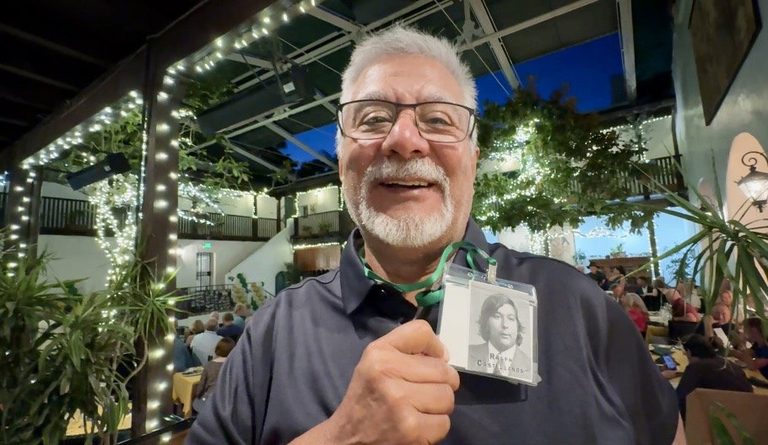
On Friday, Durham hosted the third annual Cybersecurity at Duke Conference, bringing together top artificial intelligence researchers, industry executives, and federal officials to examine the growing safety concerns surrounding autonomous AI systems. The invitation‑only event, held on Duke’s campus, featured a panel titled “Rapid Deployment of Autonomous AI Systems Across Enterprise Security Operations and the Questions It Raises.”
Key speakers and perspectives
Among the speakers were Democratic Congresswomen Valerie Foushee and Deborah Ross, who emphasized the role of legislation in protecting critical cybersecurity infrastructure from AI‑driven threats. They argued that clear policy guidance is essential to ensure that emerging technologies are deployed responsibly.
Representing the Trump administration, National Security Agency Deputy Director Tim Kosiba addressed how hostile actors could weaponize AI, warning that adversaries are already experimenting with automated tools to compromise networks and spread disinformation. Kosiba stressed the need for a coordinated federal response that balances innovation with robust safeguards.
Industry voices included Jacob Coxon, a former researcher for Anthropic’s Claude AI, who sparked a wave of discussion after posting a social‑media estimate that there is a 10 % chance AI could cause human extinction within the next decade. Anthropic’s CEO, speaking on Saturday, called for a slowdown in AI development until safety protocols are firmly in place.
President Trump’s stance
President Donald Trump has repeatedly dismissed AI‑related alarmism as a hoax, describing the warnings as “fake news” on his social‑media platform. He also highlighted AI’s potential as a major engine for economic growth, urging American businesses to embrace the technology while trusting that the administration will protect the nation’s security interests.
Local relevance and next steps
While the conference was not open to the public, its outcomes could have direct implications for North Carolina’s burgeoning tech sector. The state has seen a surge in AI‑focused startups and research initiatives, making Durham a natural hub for these conversations. Attendees agreed to continue dialogue through a series of follow‑up workshops aimed at aligning industry practices with emerging federal guidelines.
Congresswomen Foushee and Ross pledged to work with state leaders to explore legislative measures that would bolster cybersecurity defenses without stifling innovation. Meanwhile, the NSA’s involvement signals a heightened federal focus on AI threats, suggesting that future policy proposals may include funding for research into defensive AI tools and stricter oversight of high‑risk deployments.
As the AI debate intensifies nationwide, Durham’s role as a convening point for experts underscores the importance of local venues in shaping the national conversation. The conference’s emphasis on collaboration between government, academia, and industry reflects a shared commitment to ensuring that AI advances serve the public good while safeguarding American security.
Original reporting: WRAL Raleigh — read the source article.