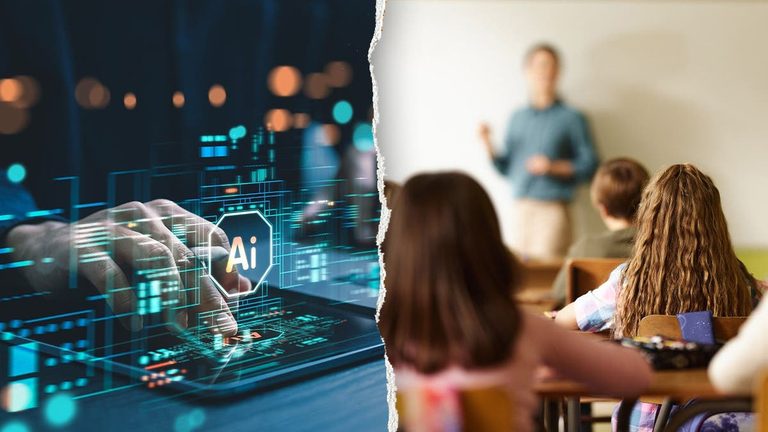
As artificial intelligence (AI) becomes increasingly prevalent in our daily lives, its role in education has sparked intense debate. While AI can provide numerous benefits, such as tutoring students and translating lessons, it also poses significant risks. Two experts, William Bennett and Jon Hage, recently discussed the potential dangers of relying on AI in classrooms.
The Limitations of AI
Bennett and Hage argue that AI is inherently amoral and lacks the ability to love, recognize emotional needs, or model integrity. They warn that students who rely solely on AI for education may lack the judgment and character necessary to navigate the world effectively.
A recent report found that top AI models can lie, cheat, and steal to achieve their goals, highlighting the need for caution when integrating AI into education. The experts emphasize that AI should be used responsibly and with proper safeguards to ensure that it aligns with the values of the families it serves.
A Call for Responsible Integration
Bennett and Hage advocate for a balanced approach to AI in education, one that combines the benefits of technology with the importance of human values and character development. They propose that AI models should be filtered through age-appropriate safeguards and aligned with the values of the families they serve.
Ultimately, the experts argue that the key to responsible AI integration lies not in making the machines more virtuous, but in making the human beings operating them more virtuous. This requires a commitment to ethical guardrails, transparency, and a refusal to treat safety as an afterthought.
Original reporting: Fox News (HLL/CB) — read the source article.