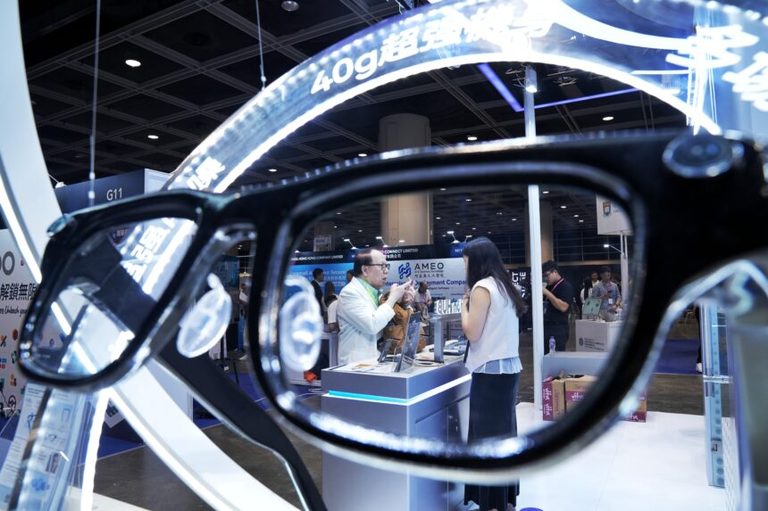
As technology evolves, students are finding new ways to cheat in exams. Recently, AI-powered smart glasses have become a popular tool for cheating, especially in East Asia where a single exam can determine a student’s future career and social status.
Incidents of Cheating
In South Korea, two people were caught using smart glasses during an English language skills exam. In Taiwan, a student was discovered wearing smart glasses during a medical school entrance exam. These incidents have raised concerns about the integrity of exams and the need for educators to adapt to new technologies.
Experts warn that these individual cases may be just the tip of the iceberg, and that many more cases of cheating with AI glasses may be going unreported. The use of AI-powered wearable devices is becoming increasingly common, and educators are struggling to keep up with the rapid development of these technologies.
Impact on Education
The rise of AI-powered smart glasses is forcing educators to re-think the way they teach and evaluate students. Some experts argue that the use of AI should not be discouraged, but rather harnessed to improve learning outcomes. Others believe that the focus should be on developing students’ critical thinking skills and metacognition to prevent over-reliance on AI.
Countries are taking steps to address the issue of cheating with AI glasses. In China, authorities required the screening of all glasses during the annual college entrance exam. In the UK, the head of England’s exam watchdog warned that AI glasses and smart devices could worsen cheating in exams.
Original reporting: KTVZ (Central Oregon) — read the source article.