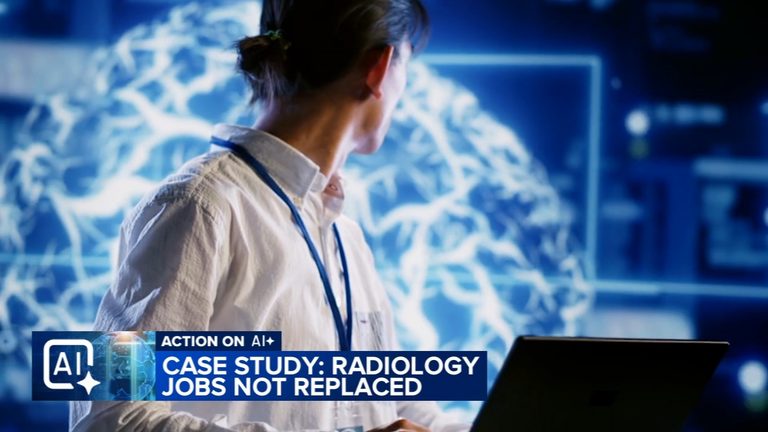
Ten years ago, a well‑known artificial‑intelligence researcher warned that radiologists would soon be a thing of the past as AI took over the reading of medical scans. The prediction has not come true. In fact, doctors who interpret X‑rays, MRIs and CT scans say they are now facing a shortage of qualified radiologists.
Why demand is rising
William Boonn, MD, a cardiovascular radiologist at Penn Medicine, explained that two major forces are at work. “People are living longer and imaging is used for more conditions than ever,” he said. “At the same time, many radiologists are leaving the field faster than they used to.” The aging population means more routine screenings and more complex diagnostic studies, while burnout from high volumes and increasingly sophisticated scans adds pressure on the existing workforce.
AI as a partner, not a replacement
To address these challenges, Boonn and fellow radiologist Woojin Kim founded Boring Radiology Inc., a company that builds AI tools to assist radiologists rather than replace them. Kim, an MSK radiologist, described the technology as handling “the mundane, the boring, repetitive stuff” – tasks such as digging through reports, managing paperwork and dealing with outdated computer systems. By automating these administrative duties, AI frees doctors to focus on what they do best: interpreting images and caring for patients.
“We want to make sure that the workforce stays healthy,” Kim said. “AI can allow radiologists to do what they do best, which is interpreting the images and taking care of patients.” Both physicians stressed that human judgment and compassion remain essential, especially when patients face serious or life‑changing diagnoses.
Training the next generation
Some prospective medical students have been hesitant to enter radiology because of early hype about AI taking over the specialty. Boonn believes that showing how AI can improve, rather than eliminate, the profession will attract new talent. He advises students to ask, “How can I use AI to make my work better?” rather than fearing that the technology will replace them.
Looking ahead
As AI continues to evolve, Boonn and Kim expect the radiology field to change dramatically, but they are confident that the partnership between doctors and machines will strengthen patient care. The growing demand for radiologists, combined with AI‑driven efficiency gains, suggests a bright future for both the specialty and the patients it serves.
Original reporting: Allentown News – 6abc Philadelphia — read the source article.