There are places in the American South that don’t announce themselves. No billboards, no flashing signs, no line out the door. Prince George Winyah Parish Church, tucked along Highmarket Street in the heart of Georgetown’s historic district, is exactly that kind of place — and once you step through its wrought-iron gate, you’ll understand why visitors who find it rarely forget it.
Founded in 1721, Prince George Winyah is one of the oldest Episcopal parishes in South Carolina, and the physical church — a dignified brick structure built in 1745 — has survived colonial unrest, the Revolutionary War, the Civil War, and more than two centuries of Lowcountry weather. Walking up the brick path toward its arched entrance feels less like sightseeing and more like crossing a threshold into living history. The building itself was used as a stable by British troops during the Revolution, and you can still see musket ball damage in some of the original woodwork inside. That kind of detail stops you cold.
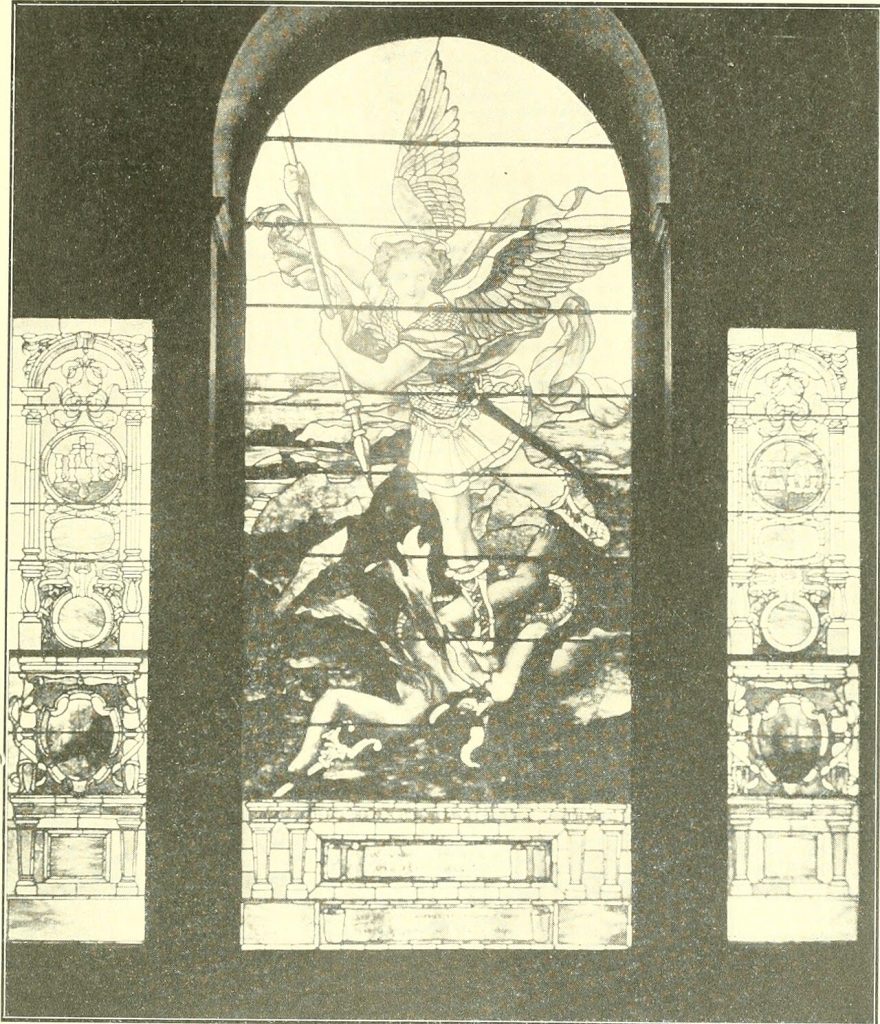
The interior is serene and spare in the way that colonial Anglican churches tend to be — high ceilings, clear glass windows that let the coastal Carolina light pour in, original box pews worn smooth by generations of hands and clothing. The silence in here is the productive kind, the sort that makes you slow down and actually look at things. Stained glass panels added in the late 19th century add color without overwhelming the room’s essential restraint. Guided tours are available and are well worth the time — the docents here know their stuff, and they tell the story of Georgetown’s rice plantation economy, the enslaved Africans who built it, and the complicated, deeply human history of this congregation with genuine care and nuance.
But honestly, even if you only walk the churchyard, you will leave changed. The burial ground surrounding the church holds graves dating to the early 1700s, with weathered tabby and limestone markers bearing the names of Georgetown’s founding families — merchants, planters, Revolutionary War figures. Spanish moss drapes the old live oaks overhead, and the light filters through in that particular golden way that only happens in the Lowcountry. It is genuinely one of the most atmospheric outdoor spaces in the entire state.
Bring a camera, but also bring a notebook. This is not a rush-through stop. Plan to spend at least an hour, more if you’re the kind of traveler who likes to sit on a bench and simply absorb a place. The churchyard is open to the public most days, and the church itself welcomes visitors during daytime hours — check their website or call ahead for tour availability, as hours can shift seasonally.
Georgetown’s historic district has plenty to offer, but Prince George Winyah Parish is the anchor of it all. This is where the colony’s story begins, written in brick and stone and the rings of ancient oaks. Come and read it slowly.