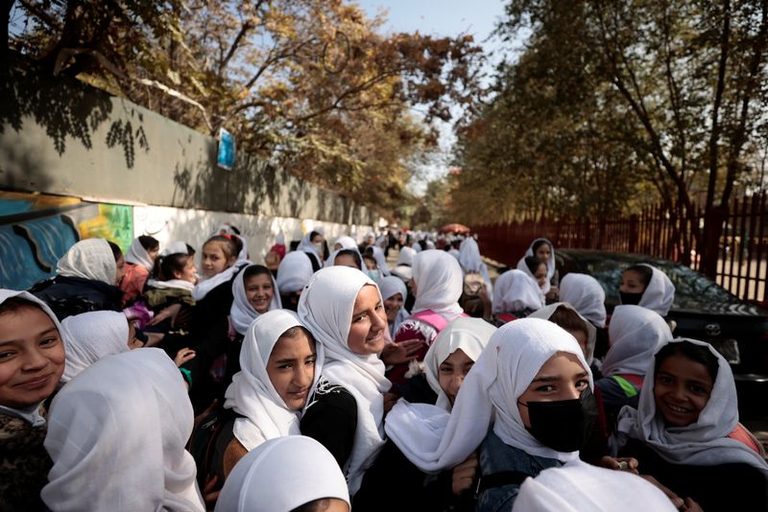
The United Nations Educational, Scientific and Cultural Organization (UNESCO) has expressed concerns that the restrictions on women pursuing higher education in Afghanistan will further weaken school quality in the country. According to UNESCO, about 2.4 million girls in Afghanistan are unable to attend secondary school, while more than 2 million primary school children are out of school.
Impact on Education
Women have been banned from universities since December 2022, reversing nearly two decades of progress in girls’ education. This decision has not only removed a substantial number of qualified teachers and educators from the education system but also resulted in boys being taught by unqualified male teachers. UNESCO estimates that Afghanistan will have a deficit of more than 11,000 qualified female teachers by 2030.
Many schools in Afghanistan are overcrowded and poorly equipped, with nearly half of schools lacking water, sanitation, or heating. The national literacy rate is also a concern, with over 90% of 10-year-olds unable to read a simple text. The ban on female education could have long-term consequences, including a potential loss of $9.6 billion in cumulative income and an increased risk of early marriage.
Original reporting: Appleton, WI News Feed (HLL/CB) — read the source article.