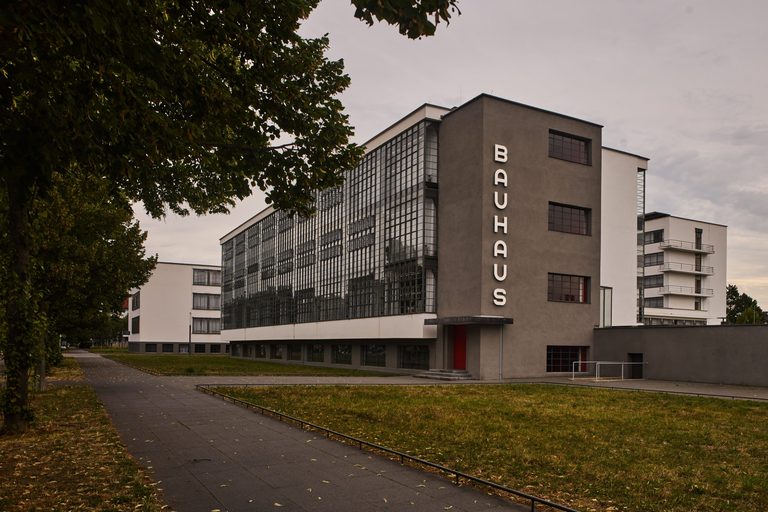
DESSAU, Saxony‑Anhalt – As the state prepares for a landmark election this Sunday, the Alternative for Germany (AfD) has turned the world‑famous Bauhaus school into a political flashpoint. The party, which hopes to secure an absolute majority in the state legislature, argues that the Bauhaus represents an “aberration of modernism” and a lack of German cultural identity.
AfD’s Cultural Platform
In its election program, the AfD condemns the Bauhaus for “always striving to avoid any sign of national rootedness.” The party proposes replacing the state’s current advertising slogan “Think Modern” with “Think German,” a move it says will restore a sense of identity that the Bauhaus allegedly erodes.
AfD cultural policy spokesperson Hans‑Thomas Tillschneider told the Saxony‑Anhalt Parliament that the Bauhaus “violated the human need for security and comfort in every conceivable way.” The party’s lead candidate, Ulrich Siegmund, attempted to soften the rhetoric, stating that the Bauhaus itself isn’t the problem, but that the state should not limit its culture and history to a single institution.
Potential Policy Impact
If the AfD wins control of the state parliament, it could cut state funding for the Bauhaus and reshape cultural policy across Saxony‑Anhalt. The Bauhaus, founded in 1919 by Walter Gropius, remains a major tourist draw, attracting up to 150,000 visitors annually to its iconic Dessau campus and museum.
Culture Minister Wolfram Weimer warned that the AfD’s language mirrors that of the Nazis a century ago. “The AfD is attacking the Bauhaus using the very same words the Nazis used 100 years ago,” he said, emphasizing that democrats of all persuasions must defend the institution.
Defending the Bauhaus
In response to the AfD’s attacks, Weimer launched a pro‑Bauhaus manifesto in August, signed by more than 2,500 groups and individuals, including churches and cultural organizations. The manifesto pledges to protect the Bauhaus from anti‑democratic attacks and rejects nationalism that is hostile to culture.
Barbara Steiner, director and CEO of the Bauhaus Dessau Foundation, praised the manifesto, noting that the Bauhaus stands for “intellectual, social, and aesthetic openness” and that the AfD’s accusations are “stereotypical” and based on a version of the school that never existed.
Why This Matters Locally
While the debate unfolds in Germany, it underscores a broader struggle over cultural heritage and national identity that resonates with communities worldwide. For readers who value the preservation of historic art and design institutions, the outcome of this election will determine whether a landmark of modern design continues to receive public support.
The election results will be closely watched by cultural advocates, heritage tourism operators, and anyone who believes that preserving artistic legacy should not be subject to partisan politics.
Original reporting: Alexandria, VA News – WTOP News — read the source article.