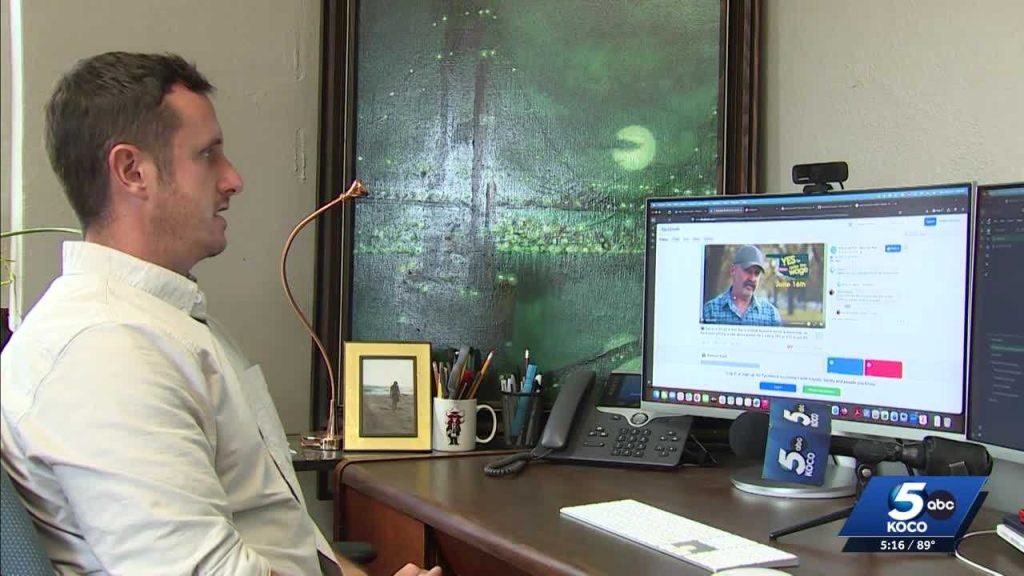
KOCO has dug into the back-and-forth ads around State Question 832, the Oklahoma initiative that would raise the state’s minimum wage, and put those claims to an economics professor to cut through the spin. This article looks at what the ad war is doing to the debate, how the professor framed the stronger and weaker claims from both sides, and what Republican-minded voters should watch for at the ballot box in Oklahoma. The focus stays on the messaging battle, the professor’s take, and the real-world trade offs voters face.
Campaign ads are loud and designed to land emotional punches. Supporters paint the wage boost as straightforward fairness for working families, while opponents warn of higher costs and lost jobs. Both sides choose their numbers carefully, and the result is a swirl of competing headlines that can confuse people who just want to know what will actually change for their paycheck and their neighborhood business.
That is why KOCO brought the ads to an economics professor, asking for a reality check. The professor did not hand out a single headline answer, but instead explained why many ad claims are half true and why context matters. Facts can be accurate yet misleading when pulled out of context, and that is precisely the technique political ads use because it works.
From a Republican view, the key question is trade offs. Raising wage floors sounds good on the surface, but the professor reminded viewers that higher mandated wages can push small employers to cut hours, delay hiring, or raise prices. Voters who care about preserved jobs and thriving local businesses should weigh those likely consequences against the immediate income boost for some workers.
Ads supporting State Question 832 tend to emphasize stories of struggling workers. Those narratives are powerful, and they humanize an abstract policy. The professor noted those personal stories are real, but warned that anecdote does not equal population level effect, especially when long term adjustments by employers are left out of the message.
Opposition ads focus on cost effects and business reactions, pointing to smaller margins and tight budgets for local restaurants and shops. The professor agreed businesses face real pressures, especially those operating close to the margin. The professor also pointed out that some firms will respond by investing in productivity or automation, which changes the nature of the jobs available.
One steady theme from the professor was that timing and scale matter. A rapid, large jump in the wage floor has different effects than a smaller, phased increase. Republicans naturally prefer gradual approaches that give employers time to adapt, and the professor’s cautions support that preference by highlighting the difference between short term relief and long term market adjustments.
Beyond immediate business reaction, the professor flagged potential ripple effects like price pressure and altered hiring of younger or entry level workers. These are the consequences advocates sometimes leave out of ad copy because they are harder to sell in a thirty second spot. For Republican voters this underlines the need to scrutinize not just whether the idea sounds fair, but whether it is the best way to help the people the ads spotlight.
Messaging tactics are part of the battle too. Advertisers cherry pick statistics, choose moving personal stories, and omit countervailing data. KOCO’s step of taking claims to an expert shows how a local news outlet can help voters separate spin from substance. The economics professor used simple explanations in plain terms, which is exactly the kind of clarity voters need.
Money behind these ads changes the tone and volume of the debate. Large ad buys can drown out community conversations and push voters into binary thinking. The professor emphasized that heavy spending does not equal truth, and that sensible voters should look past the soundtrack and ask how their local economy will adapt if the measure passes.
At the end of the day the professor did not give a partisan answer, but the facts he laid out align with a conservative caution: policy should balance compassion with realism. For Republican voters in Oklahoma that means supporting solutions that protect jobs, encourage wage growth where it can be sustained, and avoid sudden shocks to small businesses. Those trade offs should factor into how every voter approaches State Question 832.
KOCO’s reporting and the professor’s input make one thing clear, even if ads do not: this is a choices question, not a slogan question. Voters in Oklahoma deserve to know both the immediate human stories and the likely economic consequences, so they can decide which risks and benefits they are comfortable accepting at the ballot box. Keep the focus local, focus on trade offs, and demand details that ads tend to skip.