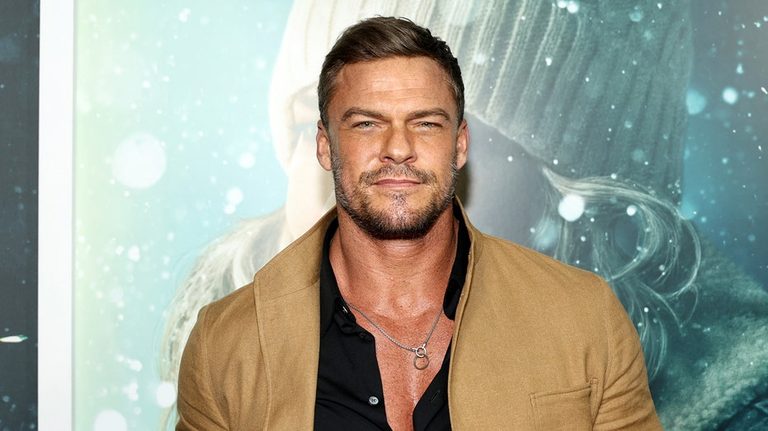
At a Fan Expo Canada panel earlier this month, actor Alan Ritchson, best known for his role in the Amazon Prime Video series Reacher, said that film and television studios have asked him to keep his political commentary private. Ritchson recounted receiving phone calls that sounded like, “Would you shut the f— up, please? Stop talking in public,” and said he was told by Sony not to discuss politics on air.
Ritchson’s claims about studio pressure
Ritchson told the audience that the studios’ requests were not about “chaos” but about protecting the shows’ reputations. He added, “I’m not going to get into it. You don’t want to see my rants starring these g—— f—— politicians everywhere.” After the crowd cheered, he gave a fist bump to the moderators and said, “Pedos win,” a remark that drew further attention.
Allegations of political interference
The actor also alleged that Amazon Prime Video rejected a storyline in which the fictional Jack Reacher confronts a white supremacist militia camp. Ritchson suggested the decision was politically motivated, writing on Threads that the book was approved “until someone got re‑elected,” a clear reference to President Donald Trump’s return to office.
Ritchson’s broader political commentary
Ritchson, who identifies as a Christian, has previously criticized both liberal and conservative figures. In a 2024 interview with The Hollywood Reporter, he called out Christian supporters of President Trump, describing the President as “a rapist and a con man” and questioning why the Christian church treats him as a poster child. He later said he faced “violence” for sharing those views, urging generosity as a Christian ethic.
Responses from industry observers
Hollywood commentator Christian Toto, of the outlet Hollywood in Toto, dismissed Ritchson’s claims as “hysterical blather,” arguing that the actor’s political rants could jeopardize his career. Toto asked whether studios truly ask stars to avoid political screeds and warned that fame can be fleeting if audiences are turned off by “unhinged rhetoric.”
Context and implications
The exchange highlights an ongoing tension in the entertainment industry between creative talent and corporate concerns about political messaging. While studios often advise talent to avoid controversial statements that could alienate viewers or advertisers, actors like Ritchson argue that such guidance can feel like censorship. No official comment was received from Sony or Amazon Prime Video at the time of publication.
Ritchson’s remarks also intersect with broader national debates about free speech, media influence, and the role of public figures in political discourse. As the conversation continues, both industry leaders and audiences will be watching how such disputes shape future content decisions.
Original reporting: Fox News (HLL/CB) — read the source article.